Repainting a Queenslander presents unique challenges that are quite different from those encountered when refreshing a standard brick home. The timber walls of Queenslanders are susceptible to expansion and contraction due to fluctuations in weather, leading to the build-up of paint layers over time. Homeowners in the Redlands and Bayside region often ask an essential question before embarking on this project: what happens between the initial quote and the final application of paint?
This guide provides a detailed, step-by-step overview of the entire process, covering everything from the external weatherboards to the internal VJ walls.
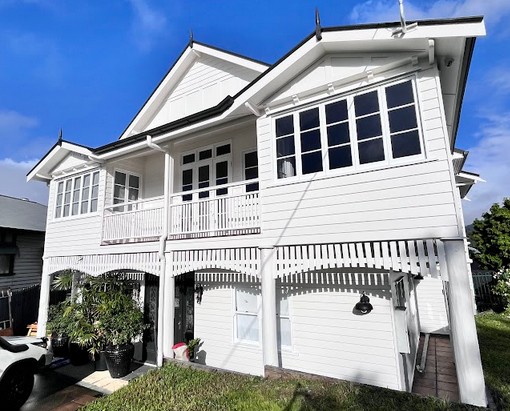
- The repainting process of a Queenslander relies heavily on thorough preparation rather than just the painting itself.
- Before any primer is applied, it is vital to remove the existing paint on the weatherboards to expose a solid, sanded surface.
- All bare or uneven timber must be primed prior to applying topcoats to guarantee a long-lasting finish.
- Any rotted boards will be replaced by a qualified carpenter before we begin painting, as our specialty lies in painting, not carpentry.
What Are the Essential Steps for Painting a Queenslander Successfully?
Successfully painting a Queenslander follows a structured approach comprised of five key stages: first, we evaluate the condition of the timber; second, we thoroughly clean all surfaces; third, we scrape and sand any deteriorating paint; fourth, we apply primer to any bare timber; and fifth, we finish with topcoats. The verandah, fretwork, and lattice are treated as individual projects, each handled with precision and care.
Following this sequence is crucial. Each step outlined below must be executed meticulously, as omitting any stage could compromise the quality and durability of the timber finish.
What Signs Indicate Paint Deterioration on a Queenslander?
During our inspection for quotes, we frequently observe the first signs of wear on the north and west weatherboards. In these areas, the paint often appears chalky and tends to lift at the lower edges of each board, where sun exposure is greatest. Running your hand across these surfaces will reveal that the paint film easily comes off.
Inside the home, the VJ boards present a different scenario. While the paint generally remains intact, it may show signs of wear, such as brush marks from previous applications visible in the grooves. The tongue and groove joints often accumulate paint that has bridged and cracked over time.
The fascias, bargeboards, and verandah posts typically show the most severe problems. These timbers tend to retain moisture for extended periods and dry slowly, making them particularly vulnerable to deterioration.
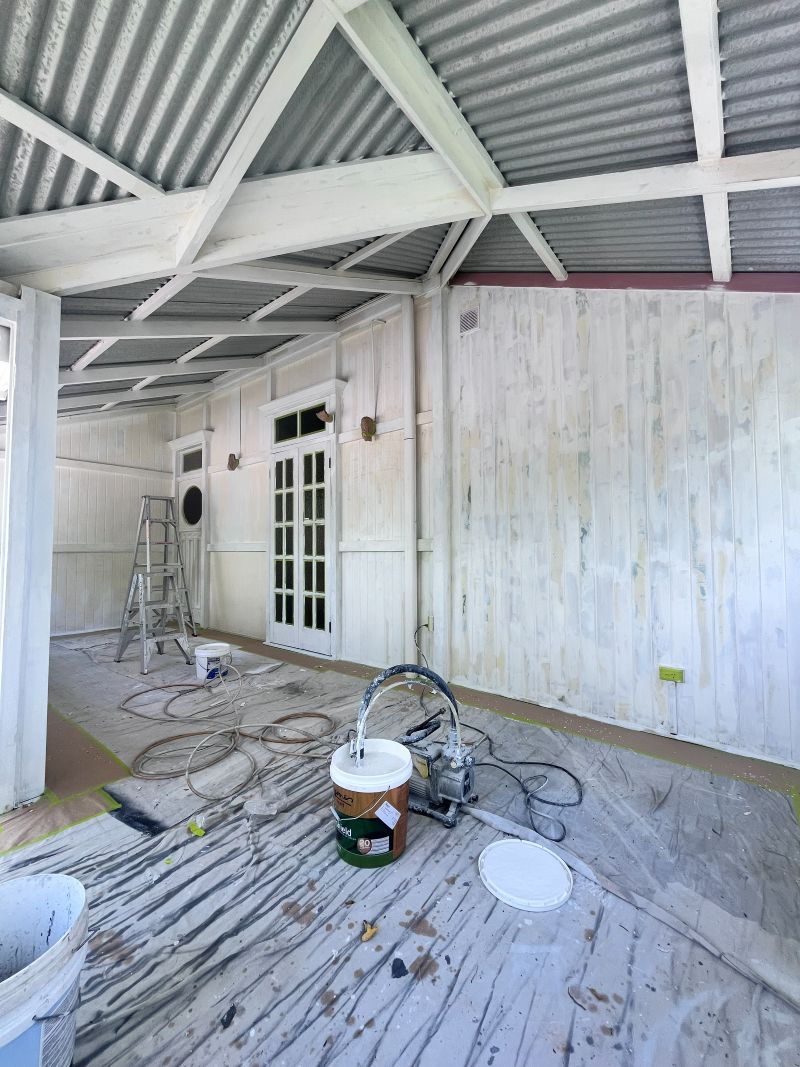
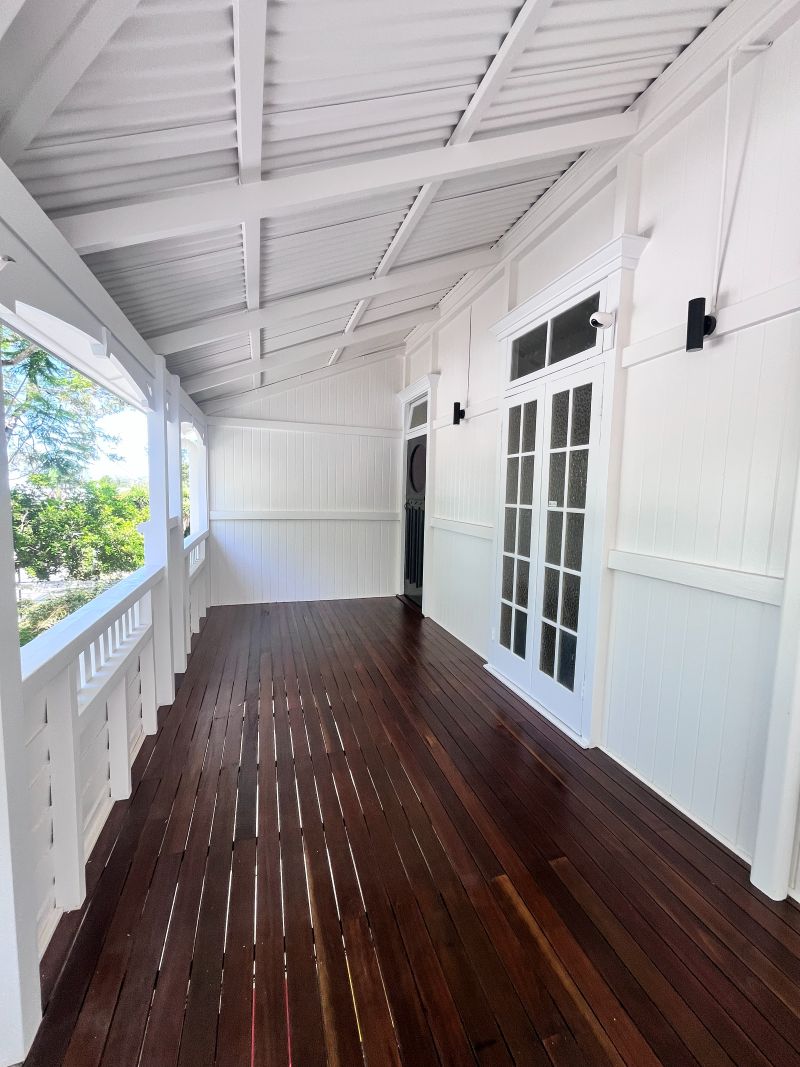
What Techniques Do We Employ for Preparing Weatherboards, Fascias, and Verandah Timber?
Our preparation process begins with a comprehensive wash of the house, followed by careful scraping of any peeling paint. We ensure all loose paint is removed, and any rough edges are feathered back through sanding to create a smooth surface for the new paint layers.
If we identify a board that has deteriorated beyond effective scraping, we will inform you of this during the quoting process, rather than waiting until the end. Any weatherboard that is rotted, a split fascia, or a verandah post that feels soft at the base must be replaced by a qualified carpenter prior to us continuing with the painting. We will pinpoint which boards require attention, allowing you to arrange these repairs so that we can schedule the painting work accordingly.
Once the timber is in good shape and sanded, we seal any gaps at the ends of the boards and around the window frames, as well as fill any nail holes.
What Should You Understand About Lead Paint in Older Queenslanders?
Many older Queenslanders may still possess lead-based paint beneath newer layers. This makes it crucial to refrain from using a power sander on original weatherboards without first conducting a lead test. We perform lead tests prior to any sanding, and if lead is detected, we adhere to safe removal protocols instead of sanding it down, which could release lead dust into the surrounding area.
Lead paint removal is part of the services we offer, and if the house has never been stripped back, it’s essential to mention this during the quoting process. This information will affect our methods, containment measures, and the estimated time required on-site.
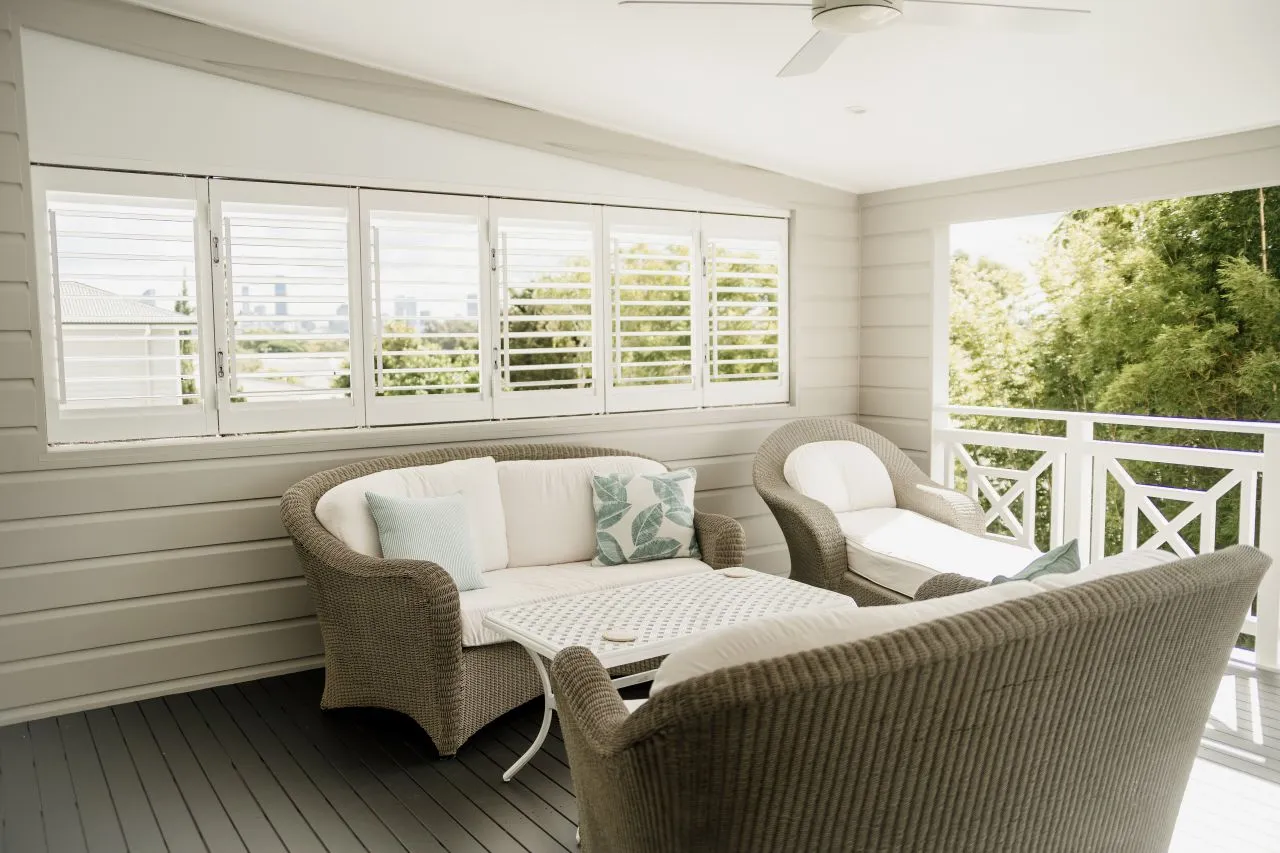
How to Effectively Paint VJ Walls and Ceilings in a Queenslander?
Painting VJ walls requires meticulous attention to detail, as anyone who has tackled numerous grooves can attest. Each groove must be brushed first, followed by rolling the flat surfaces of the boards. Neglecting this step will result in grooves appearing as dark lines once the paint dries.
We sand the boards to eliminate gloss, fill any nail holes, and then proceed with precise cutting in and coating. Ceilings, picture rails, architraves, and door frames are all cut in by hand to ensure that the edges and grooves contribute to an interior space that looks freshly painted rather than simply touched up.
How Do We Approach the Verandah, Fretwork, and Lattice?
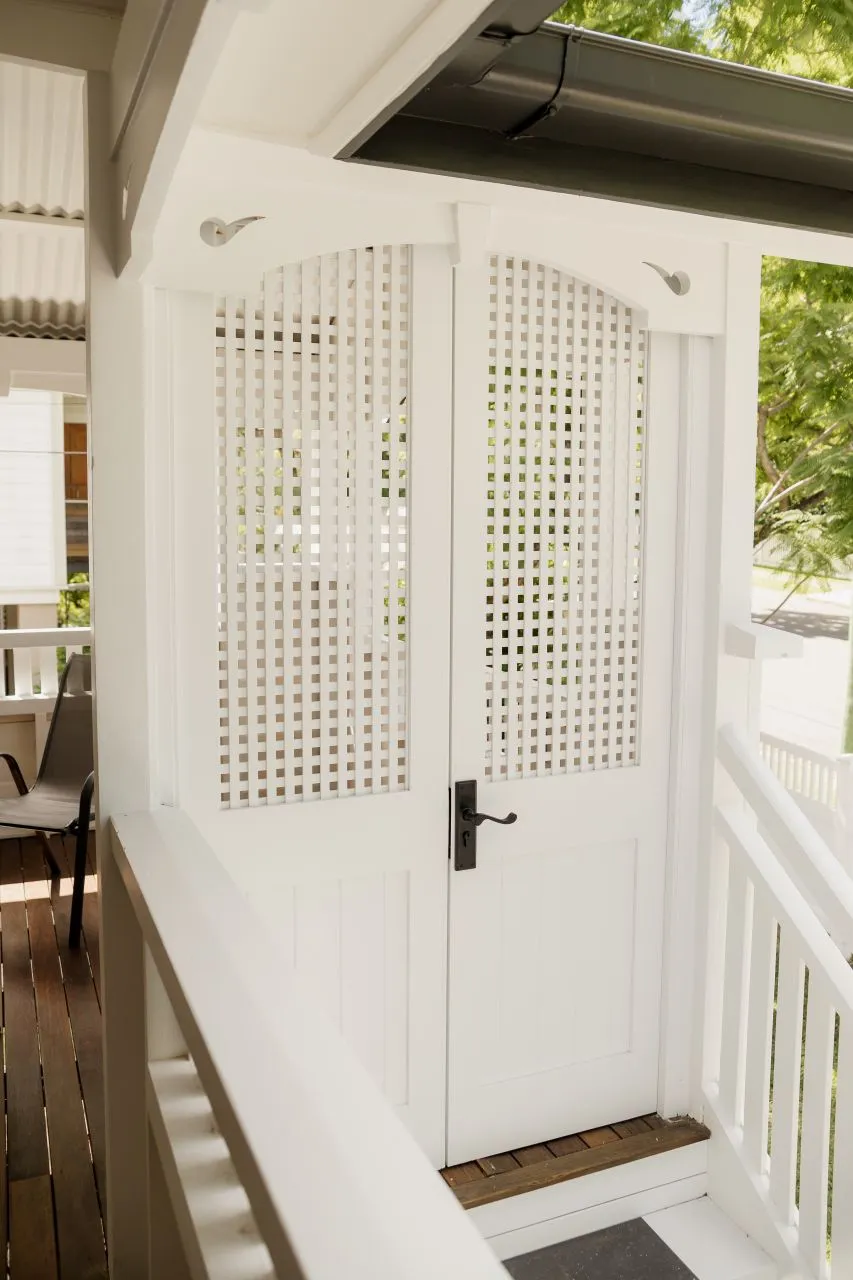
The verandah is often the most photographed feature of a Queenslander and showcases intricate detailing. Fretwork, brackets, balustrades, lattice, and the underside of the verandah roof all require painstaking brushwork.
Lattice, in particular, necessitates careful handling. Spraying can fill gaps and create runs on the reverse side, so we prefer applying paint by brush and dedicating ample time to the task. If your verandah timber is oiled or stained rather than painted, a different finishing approach is required, which is outlined on our timber and deck painting page.
Why Is Primer Essential, and How Many Coats Are Necessary for Repainting a Queenslander?
Every bare or patchy area receives a coat of primer before we apply topcoats. This step is crucial for ensuring proper adhesion of the finish to timber that has been scraped back. Without primer, new paint simply sits atop old, chalky layers.
Typically, for an exterior repaint, two topcoats are standard. Significant colour changes or timber that has been stripped back may require additional coats. We will inform you during the quoting process if the colour you have selected will require a third coat, preventing any surprises later on.
If you are still undecided on colours, our guide to the best whites and greys for Queensland light is an excellent resource to consult before purchasing sample pots. The Queensland sun can dramatically alter colours that may appear suitable on an indoor colour card.
What Transformation Can You Anticipate After Repainting a Queenslander?
Homeowners often first notice the sharpness of the lines following a repaint. Fresh paint applied to well-sanded weatherboards creates a distinct shadow line along every board, contrasting sharply with the previous broken, flaking edges. Fascias regain their straight appearance, and the fretwork stands out beautifully against the walls due to precise cutting in rather than careless rolling.
Inside, the VJ grooves transition from dark and blocked to smooth and even.
In the Queenslanders we have restored, the most significant differences often lie in the finer details rather than simply a change in colour.
What Factors Affect the Cost of Painting a Queenslander?
We provide tailored quotes for each property after a detailed inspection, as the cost of painting a Queenslander is influenced more by the condition of the timber than by just the floor area. Key factors impacting pricing include the extent of failing paint that requires removal, the amount of bare timber needing priming, the presence of lead paint, the quantity of fretwork, lattice, and verandah detailing, site access, height considerations, and any changes in colour.
We do not provide quotes over the phone. Instead, we encourage you to request a written quote that outlines all stages and inclusions. You can explore the full range of our Queenslander painting and restoration services available in the Redlands and Bayside regions.
It is important to understand that we only accept a limited number of Queenslander restoration projects at any time due to the meticulous nature of the preparation work involved. If you are considering a repaint for the warmer months, it is advisable to request a quote early.
What Common Questions Are Asked About Painting a Queenslander?
How Long Does It Typically Take to Paint a Queenslander?
The timeframe depends on the extent of preparation required for the timber, the level of detail involved in the verandah and fretwork, as well as the prevailing weather conditions. We will provide you with an estimated timeframe in the written quote after we assess the property, and we will notify you if rain affects the schedule.
Do You Replace Rotted Weatherboards Before Painting?
No, we do not perform repairs. We identify and document which boards require replacement during the quoting process, and a carpenter will handle the replacements. We will then proceed with painting once the timber is in good condition.
Can You Reproduce the Original Colour Scheme of a Queenslander?
Yes, we can recreate a period-appropriate colour scheme featuring contrasting trims and highlights or work with a colour of your choice. Please provide us with a photo or sample, and we will use it as a reference.
Will I Need to Vacate My Home During the Painting Process?
Not for exterior work. For interior VJ walls and ceilings, we work room by room, allowing you to remain in your home. We will discuss which rooms will be unavailable on specific days before we commence the work.
How to Request a Quote for Your Queenslander Repaint
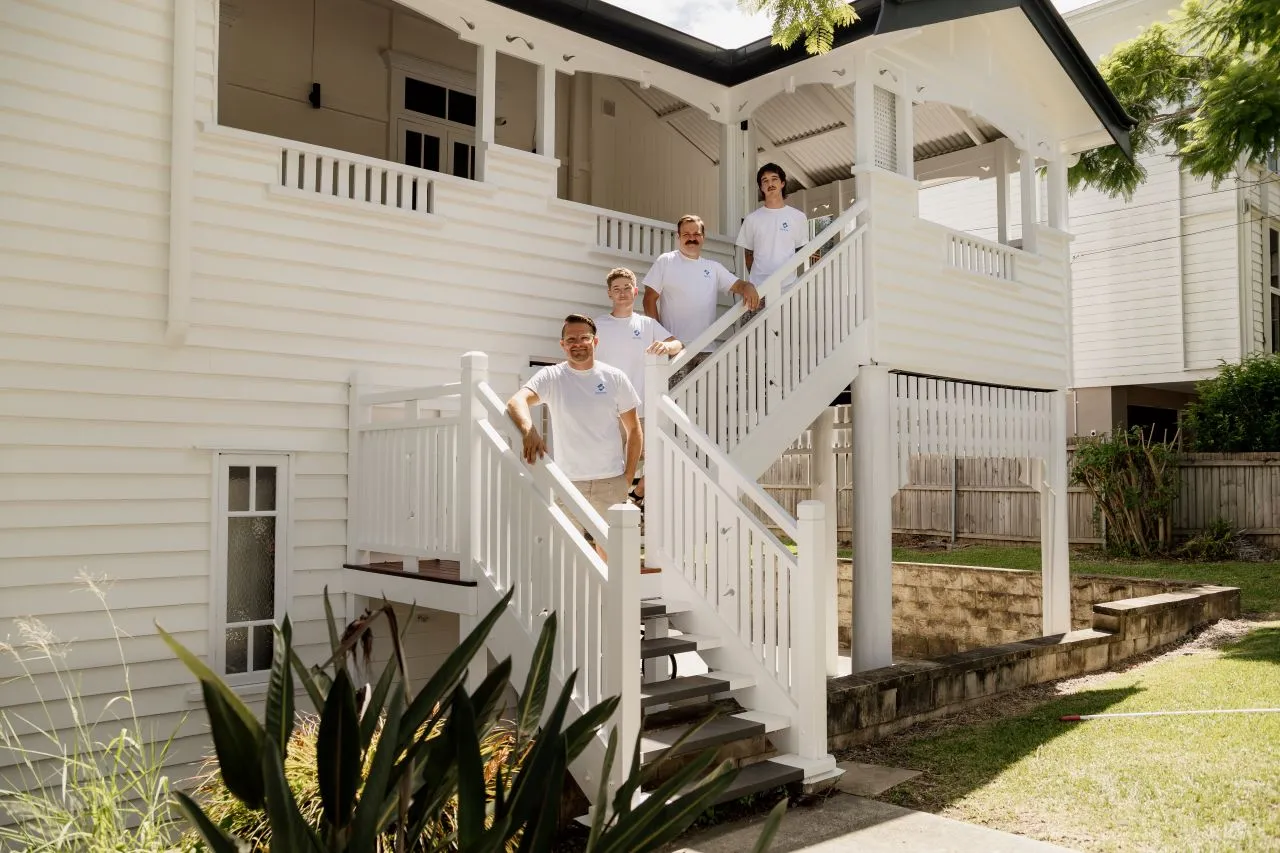
Barton’s Painting and Decorating has been repainting and restoring Queenslanders across the Redlands and Bayside since 2015. Our team comprises in-house professionals rather than subcontractors, and we are licensed with the QBCC (licence 15315253) and fully insured.
If you have a Queenslander that requires repainting, please call 0434 575 623 or send us your details through the contact page. James or a member of our team will come to inspect the timber. Photos of the most damaged areas are particularly helpful.
Original Article First Published At: Painting a Queenslander: before and after, and what is involved
The Article: Painting a Queenslander: What’s Involved and the Transformation first appeared on https://writebuff.com
The post Painting a Queenslander: The Transformation Process Explained appeared first on Limits Of Strategy.
References:
Painting a Queenslander: The Transformation Process Explained
Queenslander Painting: Understanding the Transformation Process