Essential Ingredients for Crafting the Ultimate Risotto
Finding Fresh and Delicious Produce


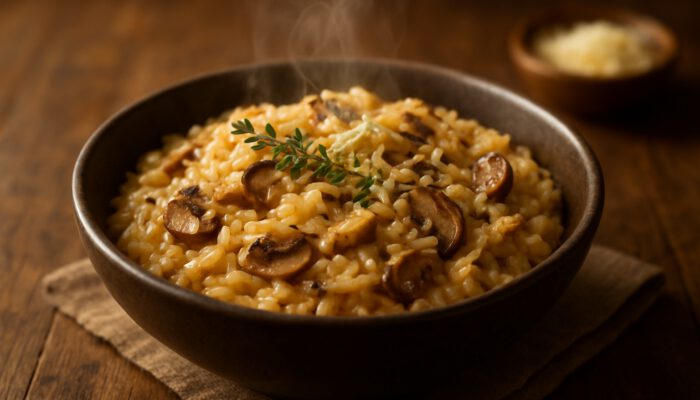
When creating a delicious creamy mushroom risotto, it is vital to choose the right mushrooms and Arborio rice. Seek out firm, plump mushrooms like button, shiitake, or portobello, which should release a rich, earthy aroma. Selecting seasonal varieties enhances the dish’s flavour profile. Using high-quality Arborio rice is essential, as its high starch content is crucial for achieving the creamy texture that defines risotto.
Farmers’ markets and specialty grocery stores often provide the freshest mushrooms available. The type of mushroom chosen can significantly impact the dish’s flavour; blending wild mushrooms can introduce complexity and richness to your risotto. Ensure you select authentic Arborio or Carnaroli varieties, specifically cultivated for risotto, to maximise flavour absorption during cooking.
Selecting Premium Pantry Staples for Risotto
Enhance your mushrooms with top-quality vegetable or chicken stock and aged Parmesan cheese for the best results. A rich, flavourful stock serves as the backbone of the dish, so avoid bland or overly salty options that may overpower the mushrooms’ natural flavour. Choosing the right ingredients ensures consistent results, making every risotto a delightful experience.
Proper storage methods are essential. Keep your stock refrigerated or frozen to preserve freshness, and store your Parmesan cheese correctly to prevent it from drying out. Grating fresh Parmesan just before serving significantly enhances the flavour. A well-prepared stock and cheese can elevate your risotto from ordinary to extraordinary, delivering a rich, creamy finish that delights the palate.
How Do Fresh Herbs Elevate the Flavour of Risotto?
Incorporating fresh herbs such as thyme or parsley introduces aromatic elements that beautifully complement the creaminess of risotto. Thyme’s earthy notes enhance the mushrooms, while parsley provides a refreshing contrast. Adjusting the quantities allows for personalisation, ensuring the dish caters to your flavour preferences and satisfies all diners.
Fresh herbs vastly outperform dried varieties in terms of flavour and aroma. Add them towards the end of cooking to preserve their vibrancy. A sprinkle of parsley just before serving not only enhances the dish’s appearance but also refreshes its profile. For an added layer of brightness, consider incorporating a hint of lemon zest to cut through the richness and make each mouthful a pleasure.
Expert Techniques for Perfecting Creamy Mushroom Risotto
What Techniques Do Chefs Use to Master Risotto?
Professional chefs stress the importance of precise liquid measurements when preparing risotto. Beginning with the correct amount of stock allows for better control over the dish’s consistency. Gradually adding stock while stirring lets the rice absorb flavours without becoming mushy. This method is essential for achieving the restaurant-quality results that many home cooks strive for.
Timing plays a critical role during the cooking process. Chefs recommend monitoring the risotto as it cooks and tasting it frequently to determine the right moment to add more stock. This technique prevents overcooking and allows for seasoning adjustments. By applying these expert tips, you can refine your skills and consistently create creamy mushroom risotto that impresses.
What Temperature Should You Maintain for Optimal Creaminess?
Keeping a medium heat throughout cooking is crucial for achieving the desired creamy texture in risotto. This temperature facilitates the gradual release of starch from the rice, which is essential for the dish’s signature creaminess. Cooking at excessively high temperatures can burn the rice, leading to uneven cooking and undesirable texture.
For optimal heat management, start by gently sautéing onions and garlic before adding the rice. This step allows flavours to develop without burning. Once the rice is introduced, maintain steady heat and stir frequently. This technique promotes even cooking while preventing separation, resulting in a cohesive and creamy risotto.
How Can You Evaluate and Adjust for the Best Results?

Starting with smaller portions of risotto can help perfect your adjustments, as many professional chefs recommend. This method allows for experimentation with various flavour combinations and cooking techniques without committing to large quantities. Tasting throughout the cooking process to adjust seasoning is crucial for ensuring the final dish meets your expectations.
Professional kitchens often adapt their methods based on the type of rice used. For instance, Carnaroli rice, known for its higher starch content, may require different cooking times and liquid-to-rice ratios compared to Arborio. Understanding these nuances can greatly enhance the quality of your risotto, helping you achieve that perfect creamy consistency.
What Essential Cooking Techniques Should Be Utilised for Risotto?
Creating a Flavourful Base
The secret to an exceptional creamy mushroom risotto lies in sautéing onions until they turn translucent. This step develops essential flavours and prevents burning, which could adversely affect the dish. Once the onions are prepared, add the rice, stirring to coat it in the aromatic oil. This initial stage is critical for building depth that resonates throughout the dish.
After adding the rice, toast it lightly for a minute or two. This technique enhances the rice’s nuttiness and prepares it for maximum stock absorption. The combination of sautéed onions and toasted rice creates a robust foundation that allows the mushrooms to integrate seamlessly, resulting in a harmonious and flavourful risotto.
How Does Stirring Influence the Final Texture?
Regular stirring during the cooking process is vital for achieving the natural creaminess that characterises risotto. Stirring releases starches from the rice, thickening the dish and preventing clumping. A steady pace while stirring ensures uniform cooking and prevents the rice from sticking to the pan, which can lead to uneven textures.
It’s essential to find a balance in your stirring technique. While consistent motion is important, avoid aggressive mixing, as this can break the grains and result in a mushy texture. Instead, use a gentle approach to ensure even cooking while preserving the rice’s distinct texture. This careful technique produces a creamy risotto that is both satisfying and elegant.
Why Is Gradually Adding Stock Crucial for Achieving Texture?
Adding stock in small increments is a fundamental technique for achieving the signature texture of creamy mushroom risotto. Allowing each addition to be fully absorbed before adding more ensures that the rice cooks evenly and develops the desired creaminess. This method grants you precise control over the final moisture levels, enabling you to create a dish that is neither too dry nor excessively soupy.
As you gradually add stock, pay attention to the rice’s absorption rates. This attention to detail allows you to adjust the amount of liquid based on the rice’s cooking progress. By mastering this technique, you can create a risotto that highlights the rich flavours of the mushrooms and other ingredients, resulting in a beautifully balanced dish.
What Are the Nutritional and Culinary Benefits of Creamy Mushroom Risotto?
Health Benefits of Including Mushrooms
Mushrooms offer numerous nutritional advantages, making them an excellent addition to creamy mushroom risotto. They are rich in antioxidants and dietary fibre, which support digestive health. Research highlights their ability to provide umami flavour without excessive sodium, resulting in a balanced and healthy meal.
Incorporating mushrooms into your risotto not only enhances flavour but also boosts the dish’s nutritional profile. Varieties such as shiitake and portobello provide unique health benefits. By carefully selecting mushrooms, you can create a dish that satisfies cravings while remaining nutritious.
How Do Flavour Enhancement Techniques Impact Overall Taste?
Research shows that slow-cooking methods preserve the volatile compounds in herbs, significantly enhancing the overall flavour of the dish. By layering seasonings gradually throughout the cooking process, you can maximise aroma release and flavour complexity. This strategy ensures that each ingredient shines, creating a well-rounded flavour profile.
When preparing creamy mushroom risotto, consider adding herbs at various stages. For instance, adding thyme early enhances its aromatic qualities, while fresh parsley sprinkled at the end brightens the dish. This strategic approach to seasoning elevates taste, ensuring that every bite is a delightful experience.
Why Is It Important to Add Cream at the End of Cooking?
Finishing your risotto with a splash of cream gives it a silky texture that elevates the dish. Cream softens the acidity from any wine used earlier in the cooking process, resulting in a rich and balanced finish. This timing is crucial for maximising creaminess while maintaining the dish’s overall structure.
Incorporating cream at the end also allows for better control over the final texture. By adding it just before serving, you ensure that the cream blends smoothly with the risotto, enhancing its luxurious texture. This technique enriches the flavour and produces a visually appealing dish that is sure to impress.
How Can You Attain the Perfect Texture in Risotto?
How to Effectively Monitor Rice Doneness
To achieve the ideal texture in your creamy mushroom risotto, closely monitoring the rice’s doneness is critical. Check the grains for a slight firmness in the centre, indicating they are perfectly cooked in the residual heat. This attention to detail allows you to adjust liquid amounts based on absorption rates during cooking.
As the rice cooks, continue tasting it to assess texture. This practice helps you determine the right moment to remove the risotto from heat. If the rice remains too firm, add a small amount of stock and continue cooking until it reaches the desired consistency. This careful monitoring ensures your risotto is creamy and satisfying without becoming overcooked.
Why Is Allowing the Dish to Rest Important?
Letting your risotto rest for five minutes off the heat is a crucial step that enhances the overall texture. This pause allows starches to settle and thicken naturally, resulting in a creamier mouthfeel. Allowing the dish to rest improves the serving experience, making it smoother without needing additional thickeners.
During this resting period, flavours meld together, creating a more cohesive dish. When you’re ready to serve, gently stir the risotto to reincorporate any settled ingredients. This technique enhances presentation and ensures that each serving is just as delightful as the last.
What Tools Are Essential for Making Perfect Risotto?
When preparing creamy mushroom risotto, having the right tools can significantly improve your cooking experience. Wooden spoons are ideal for stirring, as they distribute heat evenly compared to metal alternatives. This helps prevent scorching and ensures uniform cooking, resulting in a creamy consistency.
Using wide pans promotes better evaporation, leading to a creamier overall texture. A large, shallow pan provides ample surface area for the rice to absorb stock while allowing excess liquid to evaporate. By investing in quality tools, you streamline the cooking process and achieve restaurant-quality risotto at home.
How to Stir at the Right Times for Creaminess?
Gently and consistently stirring the rice during the final minutes of cooking is vital for encouraging starch release, which contributes to the risotto’s creaminess. This technique creates a smooth, velvety texture without turning the grains mushy. Finding the right balance in your stirring technique is essential for achieving the perfect consistency.
Avoid vigorous mixing during this stage, as it can break the grains and compromise the dish’s integrity. Instead, use a gentle touch to ensure even cooking while preserving the distinct textures of the rice and mushrooms. This careful approach yields a creamy risotto that is both satisfying and visually appealing.
What Proven Strategies Can You Use for Crafting Creamy Mushroom Risotto?
How to Scale Recipes Successfully
When preparing larger quantities of creamy mushroom risotto, careful adjustments to proportions are necessary to maintain ideal ratios. Scaling up recipes requires precision, as even minor changes can affect texture and flavour. Pre-measuring all ingredients beforehand streamlines your workflow and ensures a seamless cooking experience.
Professional chefs recommend testing your scaled recipe with a small batch first. This allows you to make necessary adjustments for larger quantities. By taking these steps, you can confidently prepare risotto for a crowd, ensuring that each serving is just as delicious as the last.
What Techniques Do Professional Kitchens Use to Enhance Efficiency?
In professional kitchens, chefs often prepare risotto components in advance to streamline service. This approach facilitates efficient cooking, ensuring that each plate is served at the perfect temperature. When reheating, adding a splash of stock helps maintain creaminess and prevents the dish from drying out.
By adopting this strategy, home cooks can enjoy the benefits of professional techniques. Prepping ingredients ahead of time not only saves time but also enhances overall dish quality. This method allows you to serve delicious creamy mushroom risotto without the stress of last-minute preparation.
How to Balance Seasonings Effectively?
Achieving perfect seasoning balance is crucial for a delectable creamy mushroom risotto. Tasting frequently during cooking allows you to adjust salt and acidity in small increments, ensuring the delicate mushroom notes are not overwhelmed. This practice helps create a harmonious flavour profile that delights the palate.
When adding seasonings, consider the overall balance of the dish. If the risotto tastes too rich, a splash of lemon juice or vinegar can brighten the flavours. Conversely, if it lacks depth, adding a touch more salt or additional herbs can enhance the overall experience. This careful attention to seasoning elevates your risotto to new heights.
How to Prepare Homemade Stock in Advance?
Crafting rich vegetable or chicken stock ahead of time is an excellent way to infuse deeper flavours into your creamy mushroom risotto. Slow-simmering ingredients like onions, carrots, and celery allows their flavours to meld, resulting in a rich, aromatic stock. Strain carefully to achieve a clear liquid that enhances the overall dish.
Using homemade stock elevates the taste of your risotto and allows you to control ingredients, ensuring a healthier option. This thoughtful preparation adds complexity to the dish, making it feel more sophisticated and satisfying. By investing time in homemade stock, you can create a risotto that impresses family and friends alike.
What Role Does Wine Play in Enhancing Flavours?
Adding a splash of dry white wine early in the cooking process is a proven method for deglazing the pan and enhancing the overall flavour of creamy mushroom risotto. The wine’s acidity balances the earthy notes of the mushrooms, creating a harmonious and sophisticated taste experience. This technique also helps build layers of flavour that elevate the dish.
When selecting wine, opt for crisp, dry varieties such as Sauvignon Blanc or Pinot Grigio. These wines complement the richness of the risotto without overwhelming the palate. By incorporating wine thoughtfully, you can create a dish that showcases depth and complexity of flavours, making it a standout choice for any occasion.
Which Wines Pair Best with Mushroom Risotto?
How to Select the Right Dry Varietals?
When pairing wine with creamy mushroom risotto, choosing dry varietals is crucial for achieving a harmonious balance. Crisp white wines, like Chardonnay or Sauvignon Blanc, cut through the richness of the dish without clashing with the earthy tones of the mushrooms. A well-selected wine enhances each bite and refreshes the palate, elevating the overall dining experience.
Consider serving your risotto with a chilled glass of wine to complement its creamy texture. The right pairing enhances the flavours of the risotto and adds sophistication to your meal. By choosing wines that harmonise with the dish, you can create a memorable dining experience for yourself and your guests.
What Impact Does Acidity Have on Taste?
Moderate acidity in wine brightens flavours and counters the creaminess of the risotto, creating better balance on the palate. Wines with higher acidity can enhance the dish’s overall freshness, making each bite more enjoyable. During the cooking process, tasting small sips of wine can help you match intensity levels precisely, ensuring a delightful pairing.
It’s crucial to consider the overall balance of flavours when selecting a wine. The acidity should complement the richness of the risotto without overpowering it. By paying attention to these nuances, you enhance the dining experience and ensure that both the risotto and wine shine together.
What Are Non-Alcoholic Alternatives for Wine Pairing?
For those seeking non-alcoholic alternatives, using vegetable broth with a splash of vinegar can effectively mimic the depth of flavour typically provided by wine. This option maintains the dish’s complexity while catering to diverse dietary preferences. The vinegar’s acidity brightens the risotto, ensuring it remains balanced and satisfying.
Experimenting with different types of vinegar, such as apple cider or white wine vinegar, can introduce unique flavour profiles to your risotto. This approach allows you to create a delicious dish that everyone can enjoy, regardless of dietary preferences. By thoughtfully incorporating non-alcoholic options, you can maintain the integrity of creamy mushroom risotto.
How to Avoid Common Risotto Mistakes?
Why Is Adding Excess Liquid Prematurely a Mistake?
A common error when preparing creamy mushroom risotto is adding too much stock at once. This practice dilutes flavours and disrupts the essential starch development that contributes to the dish’s creaminess. Measuring carefully and adding stock gradually allows you to build richness progressively, ensuring a more satisfying result.
Overloading the pot with liquid can prevent proper absorption, leading to a soupy texture. Focus on adding small amounts of stock at a time, allowing each addition to be fully absorbed before proceeding. This technique is critical for achieving the signature creamy consistency that makes risotto so cherished.
How Does Over-Stirring Affect the Texture?
Excessive stirring during cooking can damage the texture of your risotto, resulting in mushiness instead of the desired creamy consistency. Maintaining a steady but gentle stirring motion is essential for allowing the rice to release its starches without breaking the grains. This careful approach ensures that each grain retains its shape, enhancing the dish’s overall appeal.
Finding the right balance in your stirring technique is key. While it’s important to stir regularly, avoid vigorous mixing as this can compromise the dish’s integrity. By being mindful of your stirring, you can create a creamy risotto that is both visually appealing and delicious.
Why Is the Final Resting Period Important?
Serving creamy mushroom risotto immediately after cooking can prevent it from thickening properly, resulting in runny portions. Always factor in a brief pause for the dish to rest off the heat, allowing the starches to settle and thicken naturally. This step is critical for achieving the ideal texture and enhancing overall presentation.
During this resting period, flavours meld together, creating a more cohesive dish. When you’re ready to serve, gently stir the risotto to reincorporate any settled ingredients. This technique improves presentation and ensures that each serving is just as delightful as the last.
What Rice Varieties Should You Avoid?
Selecting unsuitable rice varieties can hinder proper starch release, resulting in an inconsistent texture rather than the creamy texture you desire. Opt for Arborio or Carnaroli, renowned for their high starch content and ability to absorb liquids effectively. These rice types are essential for achieving the authentic creaminess and structure that defines traditional risotto.
When shopping for rice, look for reputable brands that specifically label their products for risotto. This attention to detail ensures you have the right ingredients for a successful dish. By using the appropriate rice, you can create a creamy mushroom risotto that is both satisfying and impressive.
Why Should Cheese Be Added at the Right Moment?
Incorporating cheese before the risotto has rested can disrupt emulsification, leading to a greasy or separated dish. Wait until after the final pause to gently stir in the cheese, allowing it to melt smoothly into the risotto. This timing ensures balanced flavour and a smooth finish.
Using freshly grated Parmesan is ideal, as it melts beautifully and enhances the dish’s richness. By adding cheese at the right moment, you can create a creamy mushroom risotto that is both luxurious and well-balanced. This careful approach to timing is crucial for achieving the perfect final dish.
What Are Creative Serving Suggestions and Presentation Ideas?
How to Enhance Visual Appeal with Garnishes?
To elevate the presentation of your creamy mushroom risotto, consider garnishing each plate with additional Parmesan shavings and fresh herbs. This simple yet effective technique adds a pop of colour and visual contrast, making the dish look more inviting and professional. A well-presented dish enhances the overall dining experience and impresses your guests.
Experiment with different garnishes, such as a drizzle of truffle oil or a sprinkle of microgreens, to add sophistication. These touches not only enhance visual appeal but also contribute to the overall flavour profile of the dish. By focusing on presentation, you create a memorable dining experience that showcases your culinary skills.
How to Serve Portions for Guests?
Serving creamy mushroom risotto in warmed bowls is an excellent way to keep it consistently warm longer. This practice ensures the dish retains its intended texture from the kitchen to the table, providing a satisfying experience for your guests. Proper portioning allows for easy serving and creates an inviting atmosphere during mealtime.
Consider using a ladle or spoon to serve the risotto, ensuring each portion is generous without being overwhelming. This approach allows guests to enjoy the creamy texture while keeping the meal light and enjoyable. By focusing on portioning, you create a dining experience that is both elegant and satisfying.
What Side Dishes Complement Mushroom Risotto?
To create a complete meal that complements creamy mushroom risotto, consider offering light salads or crusty bread as side dishes. These additions provide a refreshing contrast to the richness of the risotto without overwhelming the palate. A simple arugula salad with lemon vinaigrette or a warm baguette can enhance the overall dining experience.
Select side dishes that balance the flavours of the risotto. Light, fresh accompaniments help cleanse the palate between bites, making the meal more enjoyable. By thoughtfully pairing side dishes with your risotto, you create a well-rounded dining experience that satisfies diverse preferences.
Which Beverages Pair Well with Mushroom Risotto?
For a delightful dining experience, consider pairing creamy mushroom risotto with Australian wines such as Chardonnay or light beers. These beverages complement the dish’s richness without overpowering the earthy mushroom notes. A well-chosen drink enhances the overall flavour profile and effectively caters to guest preferences.
When selecting a beverage, consider the flavours and textures of the dish. A chilled glass of white wine refreshes the palate between servings, while light beer offers a pleasant contrast. By thoughtfully pairing beverages, you elevate the dining experience and ensure that each element of the meal works harmoniously.
How to Maintain Temperature and Timing?
Serving creamy mushroom risotto promptly after cooking is essential for preserving ideal temperatures and textures. Timely presentation prevents cooling and ensures the meal remains enjoyable for everyone at the table. This attention to timing enhances the overall dining experience and showcases your culinary efforts.
To keep the risotto warm while preparing other meal components, consider covering it with a clean kitchen towel or lid. This simple technique helps retain heat without compromising texture. By focusing on timing and temperature, you create a memorable dining experience that delights your guests.
Frequently Asked Questions
What type of rice is ideal for risotto?
The best rice for risotto is Arborio or Carnaroli, as they possess a high starch content that contributes to the dish’s creamy texture. These varieties absorb liquids effectively, creating the desired consistency.
Can I use dried mushrooms in risotto?
Yes, dried mushrooms can be incorporated into risotto. Rehydrate them in warm water or broth before adding them to the dish. This method enhances flavour and provides a unique texture.
How long does it take to cook risotto?
Cooking risotto typically takes around 18 to 20 minutes. Stir frequently and add stock gradually to achieve the perfect creamy texture.
Can I prepare risotto ahead of time?
While risotto is best served fresh, you can prepare it in advance. Store it in an airtight container and reheat gently, adding a splash of stock to restore creaminess.
What can I substitute for cream in risotto?
If you prefer a lighter option, you can replace cream with a mixture of milk and a bit of butter. This combination maintains a creamy texture without being overly rich.
How do I know when the risotto is done?
The risotto is ready when the rice is creamy and al dente, with a slight firmness at the centre. Tasting it during cooking is the best way to determine doneness.
Can I add other vegetables to risotto?
Absolutely! You can incorporate other vegetables like peas, asparagus, or spinach to add colour and flavour. Ensure they are cooked to the desired tenderness before serving.
What is the best way to reheat risotto?
To reheat risotto, place it in a saucepan over low heat and add a splash of stock or water. Stir gently until warmed through, ensuring it remains creamy.
Can I make risotto vegan?
Yes, you can create vegan risotto by using vegetable stock and omitting cheese or cream. Nutritional yeast can be added for a cheesy flavour without dairy.
How can I enhance the flavour of my risotto?
Enhance the flavour of your risotto by adding fresh herbs, a splash of white wine, or sautéed garlic and onions. Layering flavours throughout cooking creates depth.
Join us on Facebook!
The post Decadent Creamy Mushroom Risotto Recipe Guide: Tips for Perfection appeared first on https://cookinggods.com
The Article Mushroom Risotto Recipe: Tips for a Creamy Delight Was Found On https://limitsofstrategy.com
References:
Https://limitsofstrategy.com/mushroom-risotto-recipe-tips-for-a-creamy-delight/