In-Depth Analysis of Canine Liver Anatomy and Its Vital Functions
Understanding Liver Structure and Its Essential Roles in Dog Health
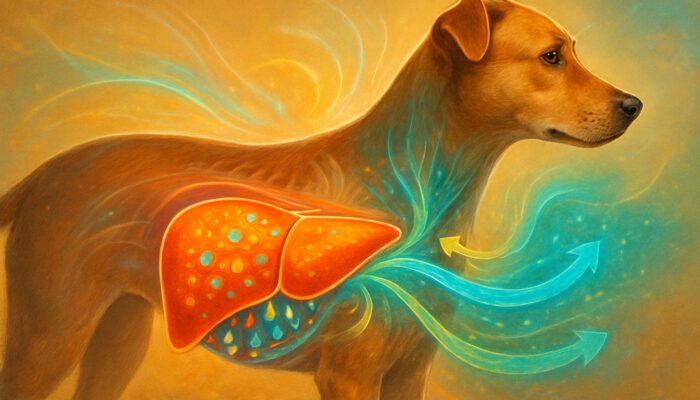
The liver is a crucial organ in dogs, playing an integral role in both metabolism and detoxification. It is responsible for processing essential nutrients derived from food, producing bile necessary for digestion, and filtering harmful toxins from the bloodstream. This organ’s diverse functions not only facilitate digestion but also enhance the immune system, which is vital for the overall health of dogs across all breeds and ages. For dog owners seeking to provide a healthy and fulfilling life for their pets, understanding the anatomy and multifaceted roles of the liver is essential.
An efficiently functioning liver is paramount for maintaining energy balance and overall wellness in dogs. The liver’s ability to convert nutrients into usable energy and store essential vitamins and minerals underpins a wide range of bodily functions. For informed dog owners, grasping the liver’s structure and function is critical. This knowledge empowers them to recognise early signs of potential health issues, enabling proactive steps to safeguard their pets’ health and longevity.
Why Are Regular Liver Health Screenings Essential for Dogs?
Regular liver health evaluations are crucial for detecting subtle changes that might indicate underlying issues. Routine screenings help veterinarians identify potential liver problems before they escalate into serious health concerns, assisting dogs in maintaining their energy levels and overall vitality. This proactive approach can lead to improved health outcomes and a longer lifespan for dogs, making it essential for owners to prioritise regular liver health assessments.
Routine evaluations are particularly important for senior dogs and those with pre-existing health conditions. By establishing a consistent schedule for liver health screenings, dog owners can work effectively with veterinarians to create tailored health plans that meet their dog’s unique needs, ensuring optimal liver function and enhanced quality of life throughout their lifespan.
Which Enzymes Are Critical for Supporting Liver Health?
Understanding the key enzymes involved in liver function can significantly assist dog owners in identifying potential health concerns. Here are several essential enzymes along with their specific roles in promoting liver health:
- ALT (Alanine Aminotransferase): This enzyme is a vital marker indicating possible liver cell damage.
- ALP (Alkaline Phosphatase): Elevated levels of this enzyme may indicate bile duct issues and various liver diseases.
- AST (Aspartate Aminotransferase): This enzyme is useful for assessing both liver and muscle health, providing critical insights into overall well-being.
- Bilirubin: A byproduct of red blood cell breakdown; increased levels can signify liver dysfunction.
Monitoring these enzymes is essential for evaluating liver health. Regular assessments of these enzyme levels yield valuable insights into a dog’s liver function and overall health status, facilitating timely interventions when necessary.
How to Identify Early Signs of Liver Disease in Dogs
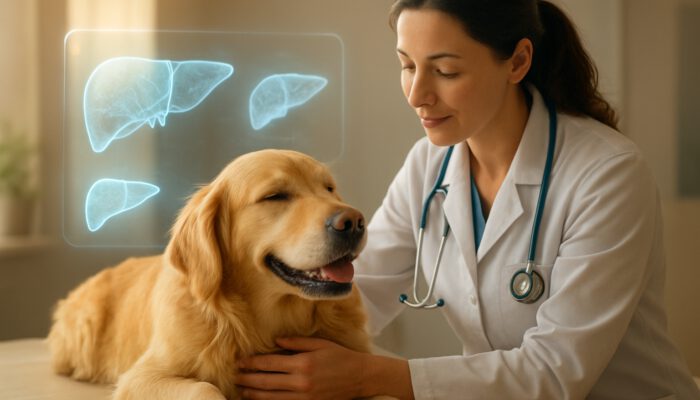
What Physical Symptoms Should You Watch For?
Dog owners should remain vigilant for any changes in their pets’ behaviour and physical appearance, as these often signal liver-related issues. Common symptoms include a sudden loss of appetite, increased thirst, and unexplained weight loss. While these signs may appear subtle, they often serve as early warning signs of potential liver problems, making early detection crucial for effective management.
Observing changes in a dog’s coat, such as dullness or excessive shedding, can also be linked to liver health. Careful monitoring of these physical changes is vital, as it enables early identification of liver problems and encourages timely veterinary intervention. Regular veterinary check-ups are essential for detecting potential issues before they escalate into serious conditions.
What Behavioural Changes Might Indicate Liver Problems?
Behavioural changes in dogs can be significant indicators of liver dysfunction. Dogs may exhibit unusual lethargy, confusion, or disorientation due to the accumulation of toxins in their systems. These symptoms typically emerge when the liver struggles to filter out harmful substances, leading to a noticeable decline in overall health and vitality.
Daily observation of a dog’s behaviour is critical. Owners should take note of any shifts in energy levels, social interactions, or general demeanour. If a previously active dog becomes withdrawn or less playful, it may signal the need for a comprehensive veterinary evaluation to rule out liver disease or other serious health concerns.
Which Symptoms Are Urgent and Demand Immediate Veterinary Attention?

Certain signs and symptoms require immediate veterinary attention. Sudden vomiting, diarrhoea, or jaundice (characterised by yellowing of the skin or eyes) may indicate advanced liver problems that necessitate urgent assessment and intervention. These symptoms often suggest serious complications that could result in severe health repercussions if left untreated.
Recognising these urgent signs is vital for dog owners. Prompt professional evaluation can help uncover the underlying cause and initiate appropriate treatment. Taking swift action can be life-saving, underscoring the importance of being attentive to a dog’s health and seeking assistance whenever necessary.
How Can Blood Testing Help in Monitoring Liver Health?
Which Tests Are Recommended and How Frequently Should They Be Done?
Blood testing is a fundamental aspect of monitoring liver health in dogs. Standard tests, such as biochemistry panels, evaluate enzyme levels and other critical indicators of liver function. These tests should be conducted regularly to accurately track liver performance across different life stages, ensuring that any potential issues are identified promptly.
Testing frequency may vary based on a dog’s age, breed, and health history. Younger dogs might only need annual assessments, while older dogs or those with known liver issues may require more frequent evaluations. Establishing a consistent testing schedule is crucial for maintaining optimal liver health and proactively identifying any problems before they become serious.
How Can You Interpret Blood Test Results Effectively?
Veterinarians analyse blood test results in conjunction with a dog’s symptoms and medical history to provide clear recommendations for maintaining health. Elevated enzyme levels may indicate liver damage, while lower levels could signify other underlying health issues. Understanding these results is essential for owners, empowering them to make informed decisions regarding their dog’s care and necessary interventions.
Maintaining open communication with veterinarians about any concerns or observations is crucial for dog owners. This collaboration ensures accurate interpretation of test results and facilitates appropriate actions to address any identified liver health issues, ultimately promoting better health outcomes for their pets.
What Are the Limitations of Laboratory Testing?
While blood testing is a vital tool, it has limitations that owners should be aware of. Some common limitations include:
- False positives: Elevated enzyme levels may not always indicate liver disease, leading to potential misinterpretation.
- Timing: Enzyme levels can vary, making consistent testing essential for accurate assessments.
- Individual variability: Normal ranges can differ based on breed, age, and individual health status.
- External factors: Other health issues or medications may influence liver enzyme levels, complicating interpretations.
Understanding these limitations is important for dog owners. It allows for careful interpretation of results and encourages collaboration with veterinarians to ensure comprehensive care, maximising the chances of early detection and effective treatment.
How Does Blood Testing Facilitate Early Problem Detection?
Routine blood testing is pivotal for the early identification of liver issues in dogs. By revealing changes in enzyme levels and other markers, veterinarians can detect potential problems before they become visible symptoms. This proactive approach enables timely veterinary care, which is critical for effective health management and improved outcomes.
Early detection is particularly important for chronic conditions, as it allows for adjustments in diet, lifestyle, and treatment plans before complications arise. By closely monitoring liver health, dog owners can help ensure their pets enjoy a better quality of life while reducing the risk of severe complications associated with liver dysfunction.
How Can You Track the Progression of Liver Disease?
Ongoing blood analysis is essential for monitoring the evolution of liver conditions over time. Regular testing enables veterinarians to assess the effectiveness of treatments and dietary changes on liver function, providing invaluable information for modifying care plans as needed to ensure optimal liver health management.
Tracking disease progression also helps in evaluating the success of interventions. By comparing test results over time, owners and veterinarians can make informed decisions regarding treatment options and necessary lifestyle adjustments aimed at promoting liver health and overall well-being.
Expert Recommendations for Monitoring Liver Health in Dogs
What Real-Life Success Stories Highlight Effective Monitoring?
Veterinary professionals often share uplifting success stories of dogs whose liver health has improved significantly through diligent monitoring. For example, a Labrador Retriever with elevated liver enzymes was placed on a specialised diet and received regular blood tests. Over time, the dog’s enzyme levels normalised, demonstrating the remarkable benefits of proactive care and monitoring.
Incorporating regular health checks into daily routines can profoundly impact a dog’s well-being. Owners can adopt practices such as monitoring food intake, behaviour, and energy levels, all of which contribute to a comprehensive understanding of their pet’s liver health. Close collaboration with a veterinarian can help tailor these routines to meet individual health needs.
What Insights Do Experts Provide on Using Supplements for Liver Health?
Veterinary specialists often recommend supplements to support liver health, but it is crucial to approach this area with caution. Customising supplement use to an individual dog’s specific needs can provide optimal support. Common supplements include milk thistle, SAMe (S-adenosylmethionine), and omega-3 fatty acids, which may enhance liver function and overall health when used appropriately.
Before introducing any supplements, owners should consult their veterinarians to ensure they are suitable for their dog’s specific health situation. A balanced approach that considers the dog’s overall health, diet, and lifestyle will yield the best results in promoting liver health and preventing potential complications.
How Can Advanced Diagnostic Techniques Improve Liver Health Monitoring?
Integrating various diagnostic methods can provide a thorough assessment of a dog’s liver health. to blood tests, veterinarians may utilise imaging techniques such as ultrasounds to evaluate liver size and structure. This comprehensive approach allows for more accurate diagnoses and informed treatment decisions, ensuring that dogs receive the most effective care tailored to their individual needs.
By employing advanced diagnostics, veterinarians can uncover underlying conditions that might not be detectable through blood tests alone. This thorough evaluation is crucial for assuring that dogs receive the best care possible, proactively addressing any health concerns.
What Environmental Factors Affect Liver Function?
Veterinary experts emphasise the significance of environmental factors in maintaining liver health. Exposure to toxins, medications, and various lifestyle elements can greatly impact a dog’s liver function. For instance, exposure to certain household chemicals, such as cleaning products and pesticides, can pose serious risks to liver integrity and overall health.
To mitigate these risks, dog owners should remain vigilant about their pets’ environments. This includes avoiding harmful substances, preventing exposure to toxins, and ensuring a safe and healthy living space. By taking proactive measures, owners can help protect their dogs’ liver health and contribute to their overall well-being.
What Myths About Liver Disease in Dogs Need to Be Debunked?
Many dog owners hold misconceptions about the symptoms and treatments associated with liver disease, which can delay appropriate care. For example, some believe that only older dogs are susceptible to liver problems, when in reality, liver issues can develop in dogs of any age. Educating owners about early warning signs, such as fatigue or changes in appetite, is vital for effective health management and timely veterinary intervention.
Veterinary experts provide evidence-based clarifications to enhance understanding and encourage proactive monitoring. By dispelling myths and sharing accurate information, owners can better recognise potential liver issues and seek timely veterinary assistance, ultimately leading to improved health outcomes for their beloved pets.
What Strategies Can Be Used for Effective Monitoring of Liver Enzymes?
How Can Home Observation Techniques Aid Dog Owners?
Simple daily observations can effectively complement professional tests over time. Owners should diligently monitor their dogs for changes in appetite, energy levels, and overall demeanour. Keeping a journal of these observations can assist in identifying trends that may warrant further investigation and veterinary consultation.
Incorporating these observation techniques into daily routines facilitates easier detection of subtle changes in a pet’s health. Regular communication with a veterinarian regarding these observations can enhance the overall monitoring process and prompt timely interventions when necessary, ultimately improving the dog’s health management.
What Technological Tools Can Help Monitor Liver Health?
Modern technology offers a range of tools that can conveniently track liver health. Wearable devices that monitor activity levels and health metrics provide valuable insights into a dog’s well-being. Smartphone applications designed for pet care enable owners to effortlessly log symptoms, medications, and veterinary visits, creating a comprehensive record of their dog’s health journey.
These technological tools can seamlessly integrate into standard pet care routines, making it easier for owners to stay informed about their dogs’ health. By leveraging technology, dog owners can enhance their monitoring efforts and ensure they proactively address potential liver issues before they escalate.
When Should You Contact Veterinary Professionals About Liver Health Concerns?
Timely consultations with veterinary professionals are essential for accurate interpretation of test results and symptom evaluations. Owners should seek professional advice if they notice concerning changes in their dog’s behaviour or health, particularly if symptoms persist despite home monitoring efforts. Regular veterinary visits are crucial for maintaining liver health in dogs and addressing any emerging issues.
Building a strong relationship with a veterinarian ensures that owners have access to expert guidance and support when needed. This collaboration is vital for implementing effective health management strategies and ensuring that dogs receive optimal care tailored to their individual health needs.
How Can You Schedule Laboratory Testing for Optimal Monitoring?
Establishing a routine for laboratory tests at consistent intervals is fundamental for accurately tracking fluctuations in liver enzyme levels. Depending on a dog’s health status, these tests may be conducted every few months or annually. Consistency in testing assists veterinarians in assessing trends and making well-informed decisions about treatment plans based on the dog’s evolving health profile.
Creating a testing schedule allows for prompt interventions when enzyme levels fluctuate and contributes to a comprehensive health record that can guide future care decisions. This proactive approach to monitoring liver health is essential for ensuring long-term wellness in dogs and preventing serious complications.
What Are the Best Practices for Maintaining Health Records?
Keeping detailed records of all liver enzyme tests, along with observed symptoms and dietary changes, provides invaluable historical data that can aid in recognising long-term trends. This information enhances decision-making during veterinary consultations and ensures that nothing important is overlooked in the management of a dog’s health.
Owners should maintain organised records that encompass test results, dates, and any relevant notes regarding their dog’s behaviour or health. Having this information readily accessible can improve discussions with veterinarians and facilitate more effective health management strategies, ultimately enhancing the dog’s quality of life.
Research-Backed Benefits of Monitoring Liver Health in Dogs
What Documented Health Improvements Have Arisen from Monitoring?
Research indicates that early interventions contribute to longer lifespans and improved quality of life for dogs undergoing monitoring. Regular liver health evaluations enable early detection of potential issues, allowing for proactive management and treatment strategies to be implemented. This focus on prevention can significantly enhance a dog’s overall health and well-being.
By prioritising liver health monitoring, owners contribute to their pets’ longevity and well-being. The advantages of early detection and intervention extend beyond physical health, positively influencing a dog’s quality of life and reinforcing the bond between pet and owner through shared experiences and proactive care.
Are There Noteworthy Success Stories from Liver Health Monitoring?
Numerous documented cases illustrate the benefits of consistent monitoring of liver health. For instance, a Beagle diagnosed with chronic liver disease showed significant improvement after regular blood tests prompted dietary changes and medication adjustments. Other noteworthy cases include:
- A German Shepherd whose liver function stabilised with customised supplements.
- A Poodle that regained energy following early detection of liver dysfunction.
- A Labrador that avoided severe complications through ongoing monitoring.
- A mixed-breed dog that thrived on a specialised diet identified through testing.
These success stories underscore the importance of proactive monitoring and the positive outcomes it can produce for dogs facing liver health challenges. They serve as a testament to the life-saving potential of regular assessments and timely interventions.
What Are the Long-Term Health Benefits of Proactive Monitoring?
Data supports the notion that consistently applying proactive strategies leads to reduced veterinary costs over time. By investing in routine liver health monitoring, dog owners can prevent more serious health issues that often require costly treatments and interventions.
The long-term health benefits extend beyond financial savings; they significantly enhance a dog’s overall quality of life. By prioritising liver health, owners can ensure their pets enjoy healthier, happier lives, ultimately strengthening the human-animal bond and fostering a strong, loving relationship.
Why Is Monitoring Weight Changes Crucial for Canine Health?
How Can Weight Reflect Overall Health?
Weight fluctuations in dogs often serve as indicators of liver efficiency, acting as a crucial marker for ongoing health assessments. Sudden weight loss or gain can signify underlying health problems, including liver dysfunction. Regular weight monitoring enables owners to detect these changes early and seek veterinary attention if necessary, which is vital for maintaining optimal health.
Understanding the connection between weight and liver health is essential for all dog owners. Maintaining a healthy weight through balanced nutrition and regular exercise supports liver function and helps prevent complications that may arise from weight fluctuations. Regular weigh-ins should be part of a comprehensive health monitoring routine for all dogs to ensure their ongoing well-being.
How Does Diet Affect Effective Weight Management?
A well-balanced diet is critical for stabilising weight while supporting liver functions. A diet rich in high-quality proteins, healthy fats, and essential nutrients can help maintain a dog’s weight and promote liver health. Owners should consult with veterinarians to devise a tailored diet plan that meets their dog’s specific nutritional needs and requirements.
Incorporating appropriate supplements may also support liver function and aid in maintaining a healthy weight. By focusing on nutrition and ensuring a well-balanced diet, owners can significantly contribute to their dogs’ overall well-being while minimising the risk of weight-related health issues that could complicate liver health.
What Are Effective Tracking Methods for Weight Management?
Regular weigh-ins, accompanied by meticulous record-keeping, provide valuable insights into trends that inform decision-making regarding a dog’s health. Owners should establish a consistent routine for weighing their dogs, using the same scale and conditions each time to ensure accurate measurements. Maintaining a log of weight changes can highlight patterns that may require veterinary attention, facilitating timely interventions.
To effectively monitor weight, owners should also track dietary intake and exercise levels. This comprehensive approach ensures that any significant weight changes are promptly addressed, leading to better overall health outcomes for dogs and supporting their liver health.
Strategies for Supporting Long-Term Optimal Liver Health
Can Carefully Selected Supplements Improve Liver Health Outcomes?
Carefully chosen supplements may support natural liver processes when used under professional guidance. Common supplements like milk thistle and SAMe can enhance liver function and promote overall health. It is crucial that owners consult a veterinarian before introducing any supplements to ensure they are appropriate for a dog’s specific health situation and needs.
When used correctly, supplements can improve the liver’s ability to detoxify and regenerate. Owners should collaborate closely with their veterinarians to determine the best options for their dogs, ensuring a balanced approach to liver health management that considers the dog’s overall health and dietary requirements.
What Lifestyle Changes Can Enhance Liver Health?
Lifestyle modifications, such as regular exercise and adequate rest, significantly bolster liver resilience throughout a dog’s life. Engaging in physical activity helps maintain a healthy weight, supports organ function, and enhances overall well-being. Providing ample opportunities for play and exercise is essential for promoting liver health and preventing potential issues that may arise from inactivity.
Creating a stress-free environment positively influences a dog’s liver function. Reducing exposure to toxins and ensuring a balanced lifestyle will help promote long-term liver health and enhance the overall quality of life for dogs, allowing them to thrive in a safe and nurturing environment.
How Can You Establish Ongoing Evaluation Plans for Your Dog?
Regular health reviews are essential for adapting care as dogs age and their health needs evolve. Routine veterinary check-ups allow for timely adjustments to treatment plans based on changes in liver function, ensuring that dogs receive optimal care throughout their lives. This proactive strategy ensures that any emerging issues are promptly addressed, fostering long-term health and wellness.
As dogs age, their nutritional and health requirements may shift significantly. By maintaining open communication with veterinarians and routinely evaluating health plans, owners can support continuous wellness and quickly address any emerging health issues, ultimately enhancing their dog’s quality of life.
What Effective Dietary Management Strategies Support Liver Health?
Focusing on nutrient-dense foods with controlled portions and appropriate supplements can alleviate liver strain from excess fats. A well-balanced diet supports the liver’s natural detoxification processes, promoting sustained vitality and preventing chronic issues as dogs age. Owners should work closely with veterinarians to develop dietary management strategies that align with their pets’ specific needs and health requirements.
This collaborative approach ensures that dogs receive the necessary nutrients to support liver health while minimising the risk of complications related to liver dysfunction, ultimately contributing to their overall well-being and longevity.
What Toxin Avoidance Strategies Should Be Implemented for Optimal Liver Health?
Minimising exposure to household chemicals, certain plants, and unnecessary medications can help prevent additional stress on the liver. Owners should take proactive steps to create a safe environment for their dogs, avoiding products known to be harmful to their health.
By promoting optimal liver function through toxin avoidance, dog owners can significantly reduce the risks of long-term damage and health complications. Vigilant care and awareness of potential hazards are critical for ensuring the health and well-being of senior dogs, allowing them to lead healthier lives.
What Common Questions Arise About Canine Liver Health?
What symptoms are indicative of liver disease in dogs?
Symptoms of liver disease in dogs may encompass lethargy, loss of appetite, vomiting, diarrhoea, and jaundice. Early detection is vital; any concerning signs should prompt a visit to the veterinarian for a comprehensive evaluation and intervention.
How frequently should I have my dog’s liver assessed?
Routine liver assessments should occur annually for healthy dogs. Older dogs or those with known liver issues may require more frequent evaluations as advised by a veterinarian to ensure optimal health.
Can diet influence my dog’s liver health?
Absolutely, a balanced diet plays a crucial role in liver health. Nutrient-rich foods support liver function, while poor nutrition can exacerbate liver problems, making dietary management critical for overall well-being.
What tests are typically used to monitor liver health?
Common tests include blood panels that measure enzyme levels, bilirubin, and other indicators. These tests assist in evaluating liver function and identifying potential issues, enabling timely interventions when necessary.
Are there supplements that can benefit my dog’s liver?
Supplements like milk thistle and SAMe are frequently recommended to support liver health. Always consult your veterinarian before introducing new supplements to ensure they are suitable for your dog’s specific needs.
How can I effectively monitor my dog’s weight?
Regular weigh-ins using the same scale and conditions can help track weight changes accurately. Keeping a log of these weights can assist in identifying trends over time, facilitating timely intervention if necessary.
What lifestyle changes can enhance my dog’s liver health?
Promoting regular exercise, providing a balanced diet, and limiting exposure to toxins can significantly improve liver health and overall well-being, contributing to a happier, healthier dog.
Are certain breeds more susceptible to liver disease?
Some breeds, such as Labrador Retrievers and Bedlington Terriers, may be more prone to liver disease. Regular monitoring is important across all breeds to ensure early detection and management of any health issues.
What actions should I take if my dog exhibits signs of liver disease?
If your dog shows signs of liver disease, such as vomiting or jaundice, seek veterinary care immediately for a thorough evaluation and appropriate treatment to avert potential complications.
Can stress impact my dog’s liver health?
Yes, chronic stress can adversely affect liver function. Creating a calm environment and ensuring regular exercise can help mitigate stress-related effects on liver health, promoting overall well-being in your dog.
Stay connected with fresh stories and insights on our Facebook page!
The Article Liver Health Monitoring for Dogs: Vital Care Tips for Pets First Published On https://elgatoencasa.com
The Article Liver Health Monitoring for Dogs: Essential Care Tips Was Found On https://limitsofstrategy.com