Melbourne parents with crawling infants, curious toddlers, or inquisitive primary school-aged children – discover engaging and effective methods to teach them about electrical safety in a way that is appropriate for their age, steering clear of fear-based tactics.
Key Takeaway: The four essential components for ensuring electrical safety include operational safety switches (RCDs) installed on every circuit, child-proof powerpoints or temporary covers, effective cord management, and a continuous dialogue about safety that evolves as your child grows. Remember, any work involving the switchboard or behind walls must be performed by a licensed electrician, as DIY electrical work is prohibited in Victoria.
As your little ones begin to explore their surroundings or show interest in powerpoints, this scenario becomes common. Children have a natural curiosity, and it is your responsibility to create a home environment that prioritises their safety and well-being.
Securing electrical safety in your home is quite straightforward. It mainly focuses on adopting smart habits, making affordable adjustments from local retailers like Bunnings, and knowing when to consult an electrician for tasks that require professional expertise.
Here’s what you need to know.
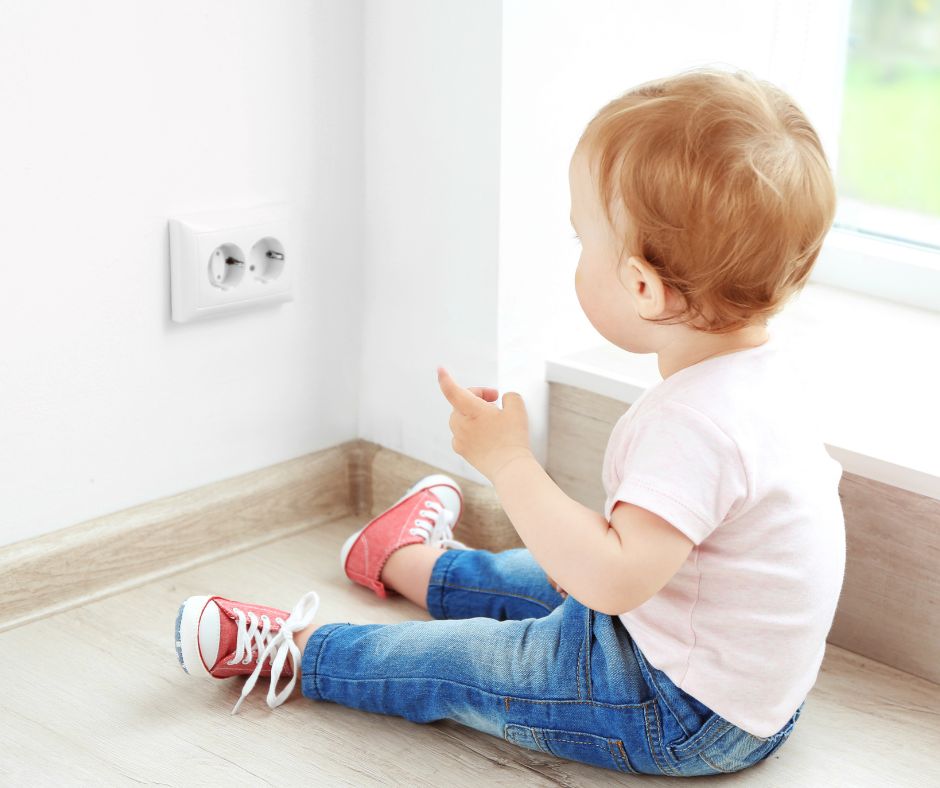
Make Safety Switches a Priority in Your Home
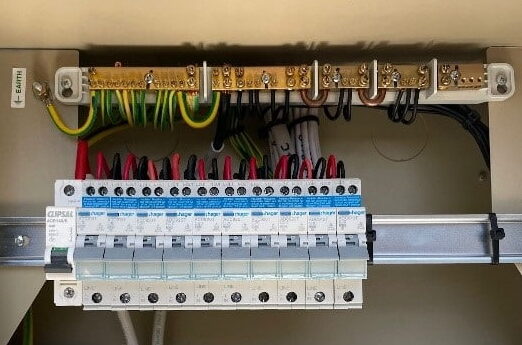
Key Takeaway: Test the button on each safety switch every three months. It should trip immediately. If it doesn’t, or if your switchboard lacks RCDs on all circuits, including lighting, it’s time to schedule an appointment with an electrician. While a licensed professional must handle the installation or replacement of RCDs, testing them is as easy as pressing a button.
<a href="https://homerenonews.com.au/safety-switches-essential-for-your-switchboard-setup/">Safety switches</a> (RCDs) represent the most critical electrical safety devices in your home. In the event of an incident—such as a child inserting an object into a powerpoint, a malfunctioning appliance, or exposure to water—the safety switch will cut off power within milliseconds. This rapid response is vital for preventing serious injuries or fatalities.
It’s crucial to remember that safety switches can fail, which is why they come equipped with a test button.
Here’s what to do:
- Press the test button on your safety switches every three months. It should trip immediately. If it doesn’t, contact an electrician.
- If your switchboard lacks safety switches on every circuit (some older homes may only have them on power circuits, not lighting), arrange for an electrician to install them. This task is fairly straightforward—check our switchboard upgrade page for details.
- If your switchboard still has ceramic fuses or an outdated fuse box, that requires a more detailed discussion—but it’s a conversation worth having.
You can easily test safety switches by pressing a button. the installation, replacement, or addition of them must be conducted by a licensed electrician. This requirement is non-negotiable.
Implement Child-Proofing Measures for Powerpoints
Key Takeaway: Affordable plug-in covers are suitable for infants and toddlers, but opt for flush types that require adult strength to remove—push-in models can pose choking hazards. The best long-term solution is to install powerpoints with built-in child-safety shutters through a licensed electrician.
This solution is straightforward. Small plastic powerpoint covers are economical and effectively prevent little fingers (and forks, keys, or other objects your child might discover) from reaching dangerous areas.
Keep these crucial points in mind:
- Select covers that sit flush and require adult strength for removal. The cheaper push-in types can become choking hazards if a determined toddler manages to pull them out.
- If your powerpoints are cracked, discoloured, or feel warm to the touch, do not merely cover them. They need replacement. A warm powerpoint signifies a potential issue behind the wall, which poses a fire risk.
- Consider installing powerpoints with built-in shutters. This is a one-time solution—no need for covers, no choking risks, and they maintain a tidy appearance. An electrician can replace them quickly.
Prioritise Effective Cord Management for Safety
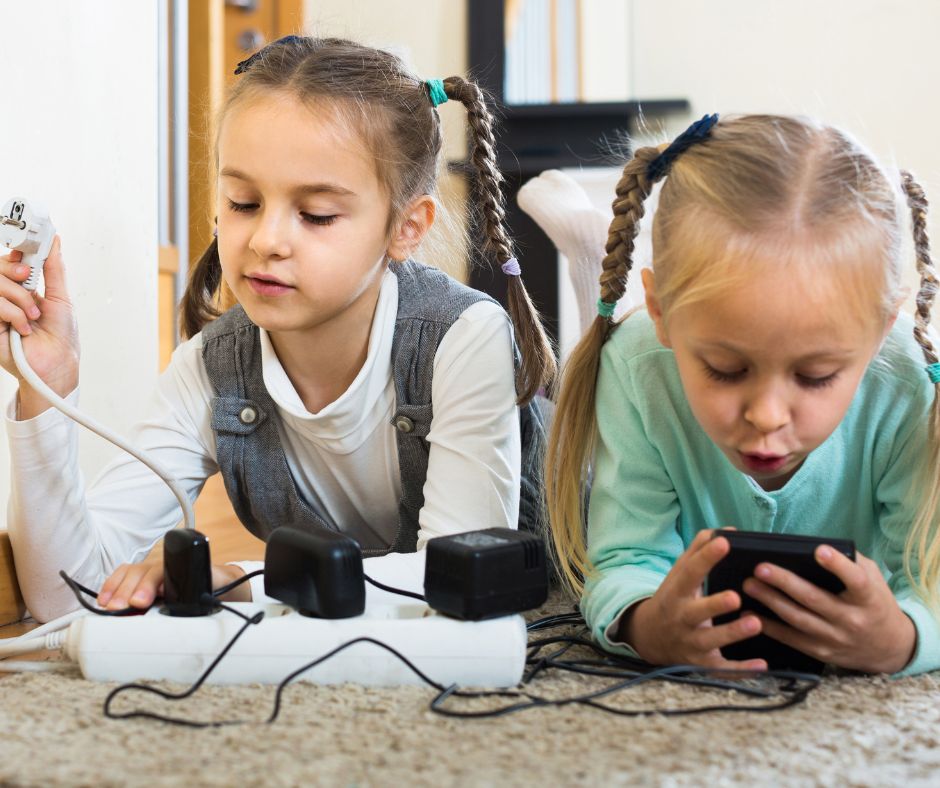
Key Takeaway: Hanging cords can become toys for toddlers, creating hazards as they risk something heavy falling on them. Shorten cords, conceal them behind furniture, avoid daisy-chaining powerboards, and if you frequently rely on extension leads, it’s time to install additional powerpoints.
Children instinctively tug at things, and cords hanging from surfaces invite exploration.
This concern extends beyond electrical safety—it also includes kettles filled with boiling water, toasters, and any heavy appliances resting on benches with accessible cords.
Practical solutions include:
- Use cord shorteners or neatly coil excess cord to eliminate loose ends.
- Hide cords behind furniture whenever possible instead of allowing them to hang across walkways.
- Avoid using extension leads as a permanent solution. If you need more powerpoints in a room, contact us for proper installation.
- Regularly check cords for damage—look for fraying, exposed wires, or melted plastic. A damaged cord poses both shock and fire risks. Replace the appliance or have the cord professionally repaired.
Daisy chaining powerboards is strictly prohibited. This practice overloads the circuit and creates a fire hazard. If you are running out of outlet space, it’s essential to have more powerpoints installed for enhanced safety.
Involve Children in Learning About Electricity Safety
Key Takeaway: Tailor your teaching approach according to your child’s age. For toddlers: emphasise “no touch” and set up physical barriers. For preschoolers: introduce simple cause-and-effect concepts. For primary school-aged children: explain the dangers of mixing water and electricity, and the rules for handling sparking appliances. For teens: instruct them on how to test safety switches and recognise daisy-chain hazards.
While it’s possible to childproof your home, children will eventually grow. They will start using appliances independently and visiting homes that may not be childproofed. Ensuring they grasp the essentials of electrical safety is vital.
Keep the lessons age-appropriate:
- Toddlers (1–3): The main message is “no touch.” Consistently redirect them away from powerpoints and cords. Using covers and physical barriers is crucial at this stage.
- Preschoolers (3–5): Begin explaining the potential dangers associated with electricity. Use simple language: “Electricity helps us, but it can cause serious injuries if misused.” Focus on basic cause-and-effect understanding.
- Primary school children (5–10): They can comprehend more complex concepts. Discuss the dangers of water and electricity. Explain why they mustn’t poke objects into powerpoints. Teach them what a sparking appliance indicates (unplug it, inform an adult). Show them where the switchboard is and its purpose.
- Older kids (10+): Teach them how to test safety switches. Explain the differences between a double adaptor and a powerboard, and why daisy chaining can be dangerous. When they are using power tools for school projects, ensure you supervise them and teach them proper cord handling.
The goal isn’t to instil fear but to cultivate respect for electricity, similar to how they learn to respect roads and water.
Ensure Outdoor Electrical Safety for Your Children
Key Takeaway: Electrical installations around pools must be conducted by a licensed electrician and connected to an RCD—never mix water with mains electricity. Regularly inspect outdoor light fittings for cracks and check for exposed cables. Trees near power lines should be treated as off-limits. If power lines fall after storms, maintain a safe distance and contact emergency services immediately.
Backyards come with unique risks, especially in Australia, where children spend significant time outdoors.
Be vigilant about the following:
- Pool areas: All electrical installations near pools must adhere to strict standards. If you have outdoor powerpoints, lighting, or pumps near the pool, ensure they are installed by a licensed electrician and connected to a safety switch. Water and electricity should never mix.
- Garden lights and water features: Low-voltage garden lights generally pose minimal risk, but mains-voltage outdoor lighting must be properly installed and weatherproof. If any fittings are cracked or cables are exposed, keep children away and seek professional assistance immediately.
- Overhead power lines: If tall trees are near power lines, instruct older kids that climbing those trees is off-limits. If a ball or kite gets stuck on a power line, do not attempt to retrieve it. Instead, contact the energy provider for assistance.
- Storm safety: Teach children to seek shelter during lightning storms. If they encounter a fallen power line after a storm, advise them to keep their distance and call emergency services.
Know When to Engage a Licensed Electrician for Safety Enhancements
Key Takeaway: Any work involving the switchboard, behind walls, near pools, or outdoor circuits must be performed by a licensed electrician. DIY electrical work is illegal in Victoria, voids insurance, and is a leading cause of preventable house fires.
While some tasks can be managed independently—such as testing safety switches, fitting powerpoint covers, and managing cords—many critical safety upgrades must be conducted by a licensed electrician.
Contact an electrician when you need to:
- Add safety switches to circuits that lack them
- Upgrade an outdated switchboard
- Replace damaged or discoloured powerpoints
- Install additional powerpoints (to reduce reliance on extension leads)
- Install powerpoints with integrated child safety shutters
- Add outdoor powerpoints or lighting, especially near pools
- Address any wiring issues—flickering lights, tripping circuits, buzzing sounds, or warm switches
In Victoria, all electrical work must be conducted by a licensed electrician. This is not merely a suggestion—it’s a legal requirement under Energy Safe Victoria. DIY electrical work is illegal, poses significant risks, and will void your insurance. You can verify a tradesperson’s license using the Energy Safe Victoria license register.
If anything seems off or if you’re uncertain about a problem, seek a professional inspection. A prompt assessment can prevent a costly house fire.
Frequently Asked Questions About Kids and Electrical Safety at Home
How often should I test my safety switches?
Every three months. Simply press the test button on your switchboard—it should trip immediately, and you can reset it by flipping it back. If it fails to trip, contact an electrician, as the switch may be malfunctioning.
Are powerpoint covers sufficient for child safety?
They serve as a good starting point for infants and toddlers, but they do not provide a comprehensive solution. Employing safety switches, managing cords, and educating children about electricity as they develop are essential components of the safety equation. If your powerpoints are old, cracked, or warm to the touch, merely using covers will not address the underlying issues—those powerpoints should be replaced.
Can I install safety switches myself?
No. The installation of safety switches is classified as electrical work, which must be carried out by a licensed electrician in Victoria. You can test them yourself (by pressing the button), but installation, replacement, and any work within your switchboard should only be handled by a qualified electrician.
What should I do if my child experiences an electric shock?
If it is safe to do so, turn off the power source—switch it off at the powerpoint or the switchboard. Avoid touching the child while they are still in contact with the electrical source. Call emergency services immediately. Even if your child appears fine after the shock, ensure they see a doctor, as some effects may not be immediately apparent.
At what age should I start teaching my kids about electrical safety?
Begin as early as possible in a manner suitable for their age. For toddlers, this means consistently communicating the message of “no touch” and redirecting them. By the time they reach primary school, they should understand that electricity is dangerous and learn basic rules, such as not using appliances near water. The conversation can continue and become more detailed as they mature.
How can I determine if my home’s wiring is safe for children?
If your home is older (pre-2000), there’s a good chance your switchboard may require attention—it might not have safety switches on all circuits, or the wiring could be outdated. The most effective way to ascertain safety is to have an electrical safety inspection conducted. An electrician can assess your switchboard, wiring, and powerpoints, providing a clear evaluation of what is safe and what needs work.
Are smart powerpoints safer for homes with children?
Smart powerpoints can offer added convenience—they enable remote switching, scheduling, and usage monitoring. They do not replace the necessity for safety switches or proper wiring. Consider them as an enhancement rather than a substitute for essential safety measures.
Is it worthwhile to get a full electrical safety inspection?
Absolutely, especially if you’ve recently moved into a property, own an older home, or have never had one performed. An electrician can identify issues that you might overlook—problems that could be present behind walls, inside the switchboard, or within the roof space. The peace of mind provided by a thorough inspection is invaluable when you have children in the home.
Recognise When This Article May Not Be Relevant to You
- If you live outside metro Melbourne. Our services are focused on the inner-west and central Melbourne suburbs—different city, different electrician.
- If you plan to undertake electrical work yourself. This is not permitted. DIY mains-voltage work is illegal in Victoria and will void your home insurance.
- If you’re seeking a one-off low-cost callout without an inspection. We are a licensed Melbourne electrician with insurance—we’re not the cheapest option in the directory.
Ensure Your Home is Safe for the Whole Family
You don’t need to be an electrician to protect your children around electricity—however, you do need one for essential work. Regularly testing safety switches, installing covers, managing cords, and teaching your kids the basics can significantly enhance safety.
If you’re unsure whether your home is as secure as it should be, or if you’ve been meaning to have your switchboard evaluated, give us a call. We’ll conduct an inspection and provide you with clear feedback on what needs to be addressed.
Original Article First Published At: Keeping Kids Safe Around Electricity — What Every Melbourne Parent Should Know
The Article: Keeping Kids Safe Around Electricity: Essential Tips for Melbourne Parents first appeared on https://writebuff.com
The Article Essential Tips for Melbourne Parents on Kids and Electricity Safety Was Found On https://limitsofstrategy.com
References:
Essential Tips for Melbourne Parents on Kids and Electricity Safety
Melbourne Parents’ Essential Tips for Kids’ Electricity Safety