Experiencing blurred vision alongside a headache can arise from a variety of common factors, including eye strain, outdated prescriptions, or difficulties in eye coordination while focusing on nearby objects. In some instances, this combination of symptoms may signal a more serious health issue that necessitates immediate medical intervention. This article explores the primary causes of these symptoms, emphasises warning signs that require urgent care, and outlines what an optometrist examines during an eye assessment when you report blurred vision and headaches.
Discovering the Primary Causes of Blurred Vision and Headaches
- Healthdirect notes that headaches often accompany blurred vision, with both symptoms frequently resulting from eye strain.
- Common eye-related issues include refractive errors, prolonged close work leading to eye strain, problems with eye coordination, and dry eyes.
- Sudden blurred vision combined with dizziness, weakness, numbness on one side of the body, facial drooping, loss of balance, or slurred speech could indicate a stroke. In such cases, call triple zero (000) immediately.
- Recurring blurred vision or persistent symptoms despite resting your eyes should prompt a visit to an optometrist for a thorough eye examination.
What Symptoms Indicate Blurred Vision and Headaches Require Emergency Medical Attention?
Healthdirect emphasises that while eye strain is a common issue, certain combinations of blurred vision and headaches necessitate immediate medical care. Their guidelines on blurred vision stress that any sudden loss of vision should be treated as urgent. Seek medical assistance promptly if you experience sudden blurriness accompanied by:
- dizziness or loss of balance
- weakness or numbness on one side of your body
- facial drooping
- slurred speech
According to Healthdirect, these symptoms in conjunction with blurred vision may signal a stroke. If you suspect that you or someone else is experiencing a stroke, call triple zero (000) and request an ambulance.
Experiencing sudden eye pain and redness along with blurred vision is a pressing concern. Healthdirect’s information on glaucoma identifies acute angle-closure glaucoma as a medical emergency, with symptoms including intense eye pain, headaches, nausea and vomiting, watery eyes, blurred vision, and halos around bright lights. If you encounter these issues, proceed to the nearest emergency department or call triple zero (000).
Which Conditions Are Associated with Blurred Vision?
Blurred vision refers to a lack of sharpness and clarity in one’s sight. Healthdirect clarifies that it can affect either one or both eyes and may involve partial or total loss of vision, depending on the underlying cause. Common eye conditions linked to blurred vision include refractive errors like myopia (short-sightedness), hyperopia (long-sightedness), presbyopia, astigmatism, dry eyes, cataracts, glaucoma, age-related macular degeneration, eye infections or injuries, and retinal issues such as diabetic retinopathy.
Blurred vision may also stem from systemic conditions. Healthdirect outlines possible causes such as diabetes or hypoglycaemia, migraines, head injuries or concussions, pre-eclampsia, multiple sclerosis, strokes, and brain tumours. Some medications may also result in blurred vision as a side effect. The following sections will delve into three specific causes that can lead to blurry vision and headaches simultaneously: eye strain, eye coordination difficulties, and migraines.

How Does Eye Strain Lead to Blurred Vision and Headaches?
Absolutely. Healthdirect’s page on eye strain lists symptoms including blurred or double vision, headaches, light sensitivity, difficulty concentrating, and discomfort in the neck, shoulders, or back. After extended periods of near work, you may find it challenging to focus on distant objects.
Eye strain is not classified as a medical condition. Healthdirect explains that it can occur after extensive use of computers, smartphones, tablets, or gaming devices, long car rides, extended reading periods, insufficient lighting, fatigue, or stress. Using incorrect or outdated glasses or contact lenses may further exacerbate eye strain. Concentrating on screens or printed text often reduces blinking, leading to dryness and fatigue in the eyes. Our article discussing the impact of screen time on vision provides further insights.
Typically, resting your eyes can help alleviate discomfort. Healthdirect recommends the 20/20/20 rule: every 20 minutes, look at something 20 feet (approximately 6 metres) away for 20 seconds. If symptoms do not improve with rest or worsen, Healthdirect advises consulting a healthcare professional, as serious conditions may mimic eye strain symptoms.
In What Way Do Refractive Errors Cause Blurred Vision and Headaches?
Refractive errors occur when the shape of the eye disrupts proper light bending, leading to blurred vision. Healthdirect identifies refractive errors as the most prevalent eye issue, including conditions like myopia, hyperopia, astigmatism, and presbyopia. Using an incorrect or outdated prescription is noted as a cause of eye strain, which can subsequently lead to headaches.
Healthdirect reassures that refractive errors can be rectified with glasses or contact lenses, and surgical options may also be available. If your current glasses no longer provide the clarity they once did, it may be time to arrange an eye check-up.
How Do Eye Teaming Issues Contribute to Headaches and Blurred Vision?
For clear vision, both eyes must coordinate effectively to aim, focus, and move together. When this coordination falters, tasks requiring close work can become more taxing. The American Optometric Association describes convergence insufficiency as a common eye coordination disorder where the eyes drift outward during reading or other near tasks. Symptoms include eye strain, headaches, blurred vision, double vision, difficulty concentrating, and frequently losing your place while reading.
According to the American Optometric Association, most standard eye exams do not include specific tests for convergence insufficiency. A behavioural optometry assessment evaluates not only sight but also functional skills such as eye teaming, tracking, focusing, and processing. For further information on these issues, refer to our article on binocular vision dysfunction. For children who often rub their eyes or struggle to maintain focus while reading, our article on visual stress and learning serves as a valuable resource.
Understanding Migraines with Aura and Their Connection to Blurred Vision
Some individuals experience an aura prior to or during a migraine. Healthdirect defines an aura as a visual, speech, or sensory disturbance that may commence up to an hour before the headache strikes. During an aura, you might perceive flashing lights or zigzag patterns in your vision. Typically, the aura resolves on its own, and some individuals may experience an aura without a subsequent headache.
Triggers for migraines vary widely among individuals. Healthdirect recommends maintaining a migraine diary to help identify patterns and triggers in consultation with your doctor. Your healthcare provider can diagnose migraines and discuss a management plan tailored to your needs. An optometrist can assess whether a vision issue, such as eye strain from an outdated prescription, is exacerbating your headaches.

What Does Blurry Vision in One Eye Accompanied by Headaches Indicate?
Experiencing blurred vision in one eye along with a headache warrants immediate attention, as some underlying causes can be serious. Healthdirect describes ocular migraine as a condition where vision changes, or even temporary complete loss of vision, occurs in one eye while the other remains unaffected. These symptoms usually resolve on their own and often present before a headache, although this is not always the case.
According to Healthdirect’s information on optic neuritis, symptoms include blurred vision in one eye and pain around or behind the eye that intensifies with movement. Typically affecting one eye, optic neuritis requires prompt medical evaluation if these symptoms arise. Any sudden vision loss, whether in one eye or both, should be assessed immediately, and the emergency signs detailed earlier in this article apply here as well.
Investigating Other Causes of Blurred Vision and Eye Discomfort
Could Dry Eyes Be a Contributing Factor?
Healthdirect identifies dry eyes as a potential cause of blurred vision and suggests that tear supplements may provide relief when dryness is the underlying issue. Prolonged screen exposure often decreases the frequency of blinking, resulting in dryness. If dryness fluctuates with hormonal changes, our article on dry eye and menopause discusses the connection.
What You Should Know About Eye Infections and Inflammation
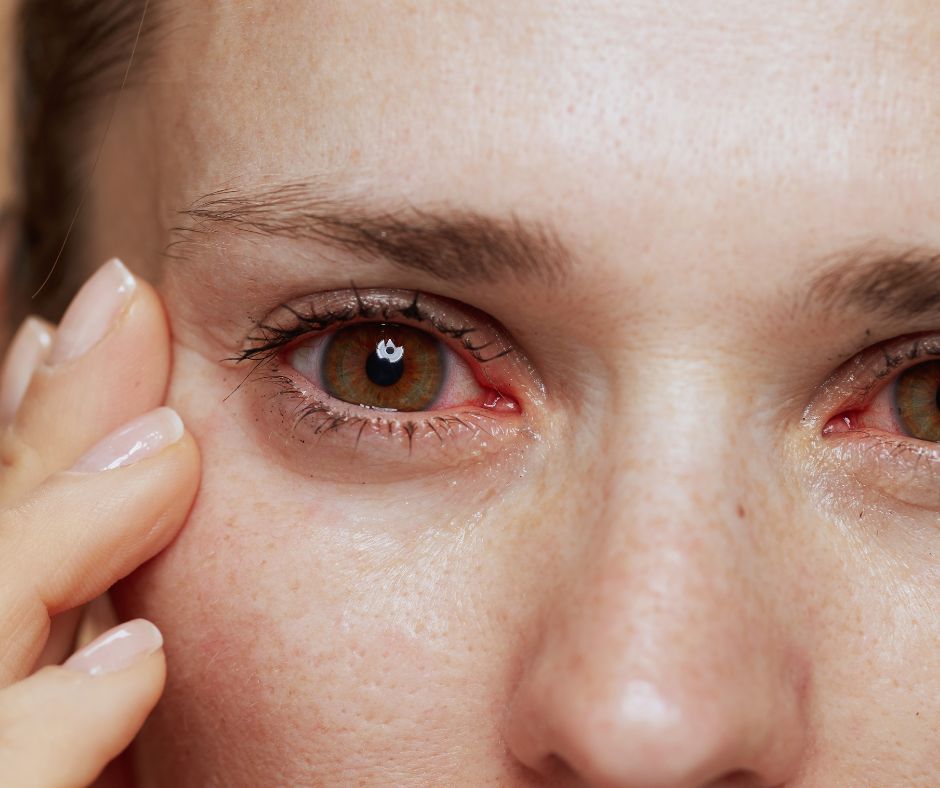
Healthdirect lists eye infections among the causes of blurred vision. Conditions like conjunctivitis can arise from viruses, bacteria, allergies, or irritants. Uveitis refers to inflammation within the eye, with symptoms including redness, eye pain, sensitivity to light, and blurred vision. Immediate medical attention is crucial if you experience sudden, severe eye pain, significant vision changes, persistent redness, or increased sensitivity to light.
Progressive Eye Diseases That Can Result in Blurred Vision
Certain causes of blurred vision develop gradually over time. Healthdirect highlights that age-related macular degeneration typically starts in one eye before affecting the other, while glaucoma can lead to vision loss through damage to the optic nerve. For more information, refer to our articles on macular degeneration and glaucoma.
What Can You Expect During an Eye Examination for Blurred Vision and Headaches?
Healthdirect advises consulting your doctor, optometrist, or ophthalmologist if you notice any changes in your vision or experience persistent blurred vision. Keeping a record of when your eye strain occurs can be beneficial to share with your optometrist. Before your appointment, note when the blurriness and headaches begin, how long they last, which eye is affected, and what activities you were engaged in during the episodes.
During the examination, your optometrist will evaluate your vision, prescription, and overall eye health. A behavioural optometry assessment will additionally assess how your eyes focus, coordinate, and track during close tasks. Based on the findings, your optometrist may discuss:
- Corrective Lenses: Glasses or contact lenses can correct refractive errors, and Healthdirect notes that options with specific coatings or tints may be recommended for alleviating eye strain.
- Eye Exercises and Vision Therapy: Healthdirect mentions eye exercises as potential solutions for eye strain, while vision therapy can enhance skills related to eye teaming and focusing.
- Adjustments to Screen and Reading Habits: This may include promoting regular breaks, implementing the 20/20/20 approach, ensuring proper lighting, and spending time outdoors.
- Lubricating Eye Drops: Healthdirect notes that artificial tears from a pharmacy may alleviate discomfort in tired, dry eyes.
- Referral: If the examination reveals a medical issue, your optometrist can refer you to your GP or an ophthalmologist for further evaluation and treatment.
Healthdirect recommends regular eye examinations every two years if you do not have any existing eye conditions and at least annually if you have diabetes.
Frequently Asked Questions About Blurred Vision and Headaches
What Causes Blurred Vision and Headaches After Extended Screen Time?
Extensive screen time is a recognised cause of eye strain, with both blurred vision and headaches serving as symptoms. Focusing on screens often reduces blinking, which can lead to dryness in the eyes. Healthdirect suggests taking regular breaks and applying the 20/20/20 rule to alleviate eye strain. If these symptoms persist, checking your prescription and evaluating your eye coordination may be advisable.
Can an Incorrect Glasses Prescription Result in Headaches?
Healthdirect identifies not wearing your prescribed glasses or using glasses that are no longer appropriate as causes of eye strain, which can lead to headaches. If your glasses no longer provide the clarity they once did, it is wise to schedule an eye examination.
Should I Consult an Optometrist or a Doctor for Blurry Vision and Headaches?
In cases of sudden blurred vision accompanied by any stroke warning signs or sudden eye pain and redness, call triple zero (000) or visit an emergency department immediately. For blurred vision that fluctuates with close work or screen use, an optometrist is typically the best initial contact. They can refer you to your GP or an ophthalmologist if the examination reveals a medical issue.
Book Your Eye Examination in Kincumber on the Central Coast Today
If you’re experiencing persistent blurry vision and headaches, an eye examination can help determine whether your prescription, eye coordination, or another eye condition is contributing to your symptoms. Dr Nicholas Altuneg (Dr Nick) is a behavioural optometrist at Eyes by Design in Kincumber. During your appointment, he will explain the examination findings and discuss the most suitable options for your eye health.
You can conveniently schedule an appointment online or contact the practice to arrange a suitable time.
Original Article First Published At: Blurry Vision and Headaches: Common Causes, Warning Signs and When to See an Optometrist
The Article: Blurry Vision and Headaches: Key Causes and When to Consult an Optometrist first appeared on https://writebuff.com
The post Blurry Vision and Headaches: When to See an Optometrist appeared first on Limits Of Strategy.