Discover the Distinctive Attributes of Larger Dog Breeds to Enhance Your Ownership Experience
Delving into the Physical Features and Behavioural Patterns of Larger Dog Breeds
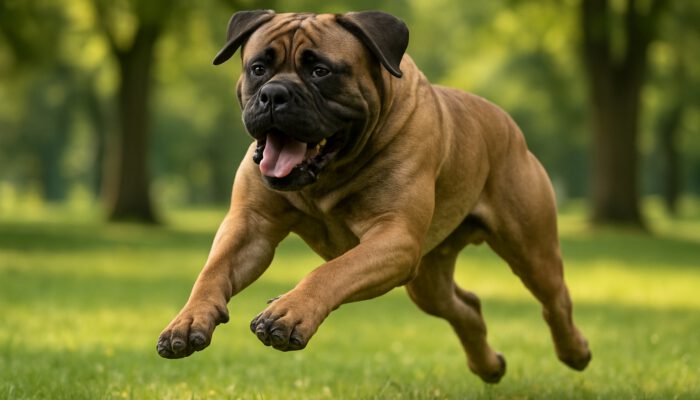
Larger dog breeds exhibit a range of unique physical characteristics that significantly influence their daily activities and interactions with their surroundings. These breeds typically feature robust physiques and high energy levels, which necessitate specific care and management strategies from their owners. By understanding key traits—such as pronounced musculature, large paw sizes, and substantial body weight—owners can gain valuable insights into the needs of their dogs. These physical traits not only affect their play and training behaviours but also determine their overall engagement with their environment and human companions.
- Muscular builds enhance strength and stamina, making larger breeds excellent companions for various physical activities.
- Larger paw sizes improve stability and traction during movement, contributing to their agility.
- Heightened energy levels require regular exercise and mental stimulation to keep them healthy and engaged.
- Thicker fur provides increased protection against harsh weather conditions, ensuring their comfort.
- Greater lung capacity supports sustained physical activity, allowing for longer play sessions without fatigue.
- Head size influences sensory capabilities, affecting how they perceive and interact with their environment.
- Longer limbs enhance agility and speed, enabling quick movements during play and exercise.
- Strong jaws necessitate careful training and management during handling to ensure safety for both the dog and the owner.
By appreciating these physical attributes, owners can craft daily routines that promote a balanced lifestyle, fostering healthy behaviours and overall well-being. Understanding how these characteristics shape their dogs’ needs and abilities is crucial for providing appropriate care, ensuring sufficient enrichment, and enhancing the experience for both the dog and its owner.
What Common Behavioural Patterns Are Observed in Larger Dog Breeds?
Larger dog breeds often demonstrate behavioural patterns that are deeply influenced by their size and energy levels. Owners might notice specific behaviours reflecting their dogs’ natural instincts and capacities. For example, many larger breeds carry themselves with a confident presence, yet they can exhibit gentleness and affection when properly socialised. It is vital for owners to differentiate between typical behaviours and those that may signal underlying issues, as this knowledge is essential for nurturing a healthy bond with their pets.
Recognising behavioural tendencies—such as playfulness, protective instincts, and various reactions to different stimuli—enables owners to guide their interactions effectively and foster positive behaviours. Moreover, being aware of when a behavioural pattern might indicate deeper issues, like anxiety or aggression, empowers owners to pursue timely and appropriate interventions, ensuring their dogs remain well-adjusted and happy companions throughout their lives.
What Are the Key Health Considerations for Owners of Larger Dog Breeds?
Health issues associated with larger dog breeds can profoundly impact their temperament and overall quality of life. Common health challenges include joint disorders, such as hip dysplasia, and obesity, both of which can lead to discomfort, pain, and irritability. Adopting a proactive approach to maintaining a healthy lifestyle is critical for minimising these risks and ultimately reducing the chances of aggression and other behavioural problems.
To ensure their larger breeds stay in optimal health, owners should prioritise balanced nutrition, schedule regular veterinary check-ups, and implement tailored exercise programmes. For instance, incorporating low-impact activities can protect their joints while fulfilling their exercise needs. Furthermore, maintaining a healthy weight can significantly improve their mood and lower stress levels, contributing to a more stable and pleasant overall disposition.
How Can You Implement Effective Training Methods for Larger Dog Breeds?
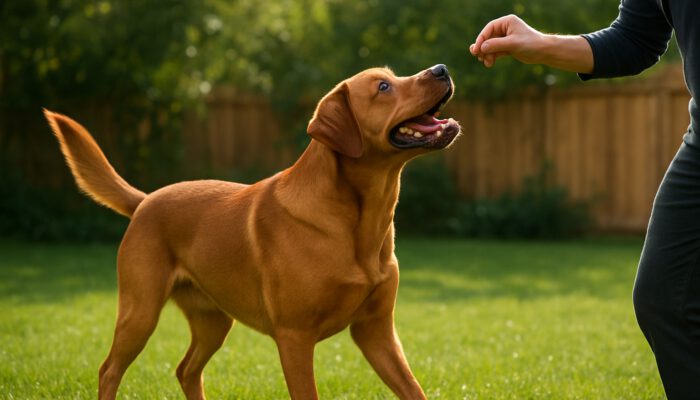
Employing effective training techniques specifically designed for larger dogs is essential for managing their innate strength and high energy levels. Positive reinforcement methods, which include treats and verbal praise, create an environment where dogs feel secure and motivated to learn new behaviours. Consistency in training is critical for establishing routines that encourage obedience, mitigate behavioural issues, and enhance the overall experience for both the dog and the owner.
A well-rounded training plan should cover essential commands, leash training, and socialisation with other dogs. Regular practice of these techniques helps establish a sense of leadership while reducing the potential for aggressive behaviours. Additionally, owners must pay attention to their dog’s individual needs during training sessions, adapting their methods to align with the dog’s personality and behavioural responses for optimal learning outcomes.
How Do Larger Dog Breeds Exhibit Aggressive Behaviours?
How Can You Identify Signs of Aggression in Larger Dogs?
Larger dog breeds can exhibit various subtle yet telling signs that may indicate aggressive tendencies, which owners sometimes misinterpret. Common indicators include growling, bared teeth, and sudden lunging—behaviours that might signify discomfort or aggression. Early recognition of these actions is crucial for effective management and timely intervention, allowing owners to address potential issues before they escalate into more serious concerns.
For instance, a dog displaying a stiff body posture may feel threatened and could react aggressively if not given adequate space. It is vital for owners to closely observe their dog’s body language and vocalisations, as these signals provide invaluable insights into their emotional state. By remaining vigilant to these signs, owners can take proactive measures to prevent confrontations and ensure safety during interactions with other dogs and people.
What Common Triggers Lead to Aggressive Responses in Larger Dog Breeds?
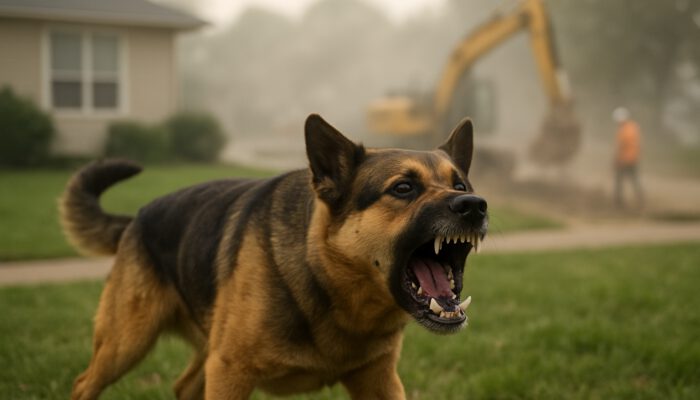
A variety of environmental stimuli can provoke aggressive reactions in larger dogs, many of which are closely linked to their surroundings. Common triggers include unfamiliar sounds, sudden movements, or the presence of other animals. Understanding these stimuli enables owners to create a safer and more secure environment for their pets, significantly reducing the risk of aggressive outbursts.
For example, a loud noise from nearby construction may startle a dog, leading it to react defensively. To mitigate such responses, owners can gradually desensitise their dogs to these stimuli, allowing them to adapt and maintain composure when faced with potential triggers. Training techniques centred on positive reinforcement can effectively lessen the likelihood of aggressive reactions over time, fostering a calmer and more relaxed demeanour in larger breeds.
How Do Environmental Factors Influence Aggression in Larger Dogs?
Environmental conditions significantly impact how larger dogs respond to various situations they encounter. Factors such as living conditions, exposure to stressors, and daily routines play a crucial role in shaping their behaviours. A chaotic or unpredictable home environment can heighten anxiety levels, potentially triggering aggressive tendencies, while a calm and structured setting encourages emotional stability, thereby minimising the risk of aggression.
For instance, if a dog frequently experiences loud noises or erratic movements from household members, it may learn to react defensively to perceived threats. By establishing a consistent routine that includes regular exercise and ample opportunities for socialisation, owners can help their dogs adapt positively to their environments. Creating an enriching atmosphere that promotes calm behaviours is essential for effectively managing aggression and ensuring a harmonious household.
Expert Insights into the Connection Between Size and Aggression in Dogs
Investigating Behavioural Trends in Larger Dog Breeds
Understanding the root causes of aggression in larger dogs requires a nuanced examination of their behaviour. Expert research indicates that aggression can stem from a combination of genetic predispositions, environmental influences, and early life experiences. For instance, a dog that has encountered trauma may exhibit aggressive tendencies as a means of self-defence, underscoring the importance of acknowledging these factors for effective management.
Observing body language and identifying behavioural triggers are crucial for effective intervention. Owners can document specific instances of aggression, allowing professionals to analyse patterns and recommend tailored strategies. Collaborative efforts involving trainers and behaviourists can lead to positive outcomes, ensuring the dog’s well-being and reducing the likelihood of aggressive episodes over time.
What Psychological Factors Contribute to Aggression in Dogs?
Psychological factors have a significant impact on canine aggression, particularly in larger breeds. Emotional triggers such as fear, anxiety, and territorial instincts can provoke aggressive behaviours. For example, a large dog might feel threatened upon encountering unfamiliar people or animals, leading to a defensive reaction.
Recognising these psychological components enables owners to target the root causes of aggression rather than merely addressing the symptoms. Training focused on building confidence and resilience in dogs can greatly alleviate these emotional triggers. Fostering an environment that promotes trust and security is vital for mitigating anxiety-related behaviours and encouraging a more composed demeanour.
How Can You Implement Long-Term Strategies for Managing Aggression?
Effectively managing aggression in larger dogs necessitates a comprehensive approach that incorporates multiple strategies. Owners should engage in regular training sessions that reinforce desirable behaviours while providing adequate outlets for energy through physical exercise and mental stimulation. Establishing consistent routines that promote stability helps dogs feel secure, thereby reducing their tendency to react aggressively.
Additionally, creating socialisation opportunities with other dogs and people can boost confidence and decrease fear-based aggression. Real-world examples illustrate the effectiveness of gradual exposure techniques, where dogs are introduced to new experiences in controlled environments. By consistently applying these strategies, owners can achieve positive results over time, fostering a peaceful coexistence between dogs and their human companions.
Exploring Mental Aspects Related to Aggression in Dogs
Investigating the mental aspects contributing to aggression reveals the complexities surrounding canine behaviour. Emotional triggers such as fear or frustration play critical roles in a dog’s aggressive responses. Owners can benefit from understanding these underlying emotions, as they can help inform strategies for early detection and management of aggressive behaviours.
Proactive measures, including regular training and mental enrichment activities, can help lessen the risk of aggression. Engaging in activities like puzzle toys or interactive games that challenge their minds provides positive stimulation and reduces anxiety. By addressing their mental needs, owners can cultivate a more balanced and well-adjusted dog, significantly decreasing aggressive tendencies over time.
How Can You Seek Expert Guidance to Promote Calm Behaviours in Dogs?
Maintaining calm behaviours in larger dog breeds requires ongoing commitment and expert guidance. Establishing routines that prioritise mental and physical health proves invaluable for fostering a stable demeanour. For example, incorporating regular exercise, such as brisk walks or agility training, helps expend excess energy and supports a calmer temperament.
Additionally, owners can draw from real-world examples of successful approaches, such as creating a “calm zone” within the home featuring comfortable resting areas and soothing elements. Integrating these practices into the dog’s daily life fosters an environment that minimises stressors and encourages tranquillity, ultimately reducing aggressive tendencies and enhancing the overall quality of life for both pets and their owners.
What Factors Influence Aggression in Dogs?
Examining Genetic and Temperament Connections to Aggression in Dogs
Genetic predispositions and inherent temperament play significant roles in aggression levels in dogs. Different breeds exhibit distinct behavioural traits often tied to their lineage. For instance, breeds selectively bred for guarding or protection, such as Rottweilers, may display higher levels of aggression due to their genetic background and training history.
- Higher levels of aggression are commonly associated with breeds like Rottweilers and Doberman Pinschers.
- Protective instincts evident in German Shepherds influence their behaviours towards perceived threats.
- Territorial behaviour observed in Doberman Pinschers can lead to aggressive reactions when their space is encroached upon.
- Predisposition to fear-based aggression seen in shelter rescues often arises from past negative experiences.
- Temperament influenced by parental traits can affect behaviour in offspring, shaping their responses to various situations.
- Variability in aggression levels exists within mixed breeds, depending on genetic influences from their lineage.
- Socialisation needs vary based on genetic traits, impacting behaviour development in larger breeds.
- Behavioural tendencies linked to breed history further shape the potential for aggression in larger dogs.
Understanding these genetic influences allows owners to anticipate potential aggression and implement effective management strategies, fostering a safer environment for both the dog and the broader community.
How Does Training Affect Aggressive Responses in Dogs?
Training plays an essential role in shaping a dog’s responses to various stimuli, including aggressive tendencies. Consistent training methods, such as positive reinforcement and desensitisation techniques, can significantly reduce the likelihood of aggressive reactions. Owners should concentrate on reinforcing desired behaviours while minimising exposure to triggering situations during training sessions.
Effective techniques include gradual introductions to new environments and controlled social interactions with other dogs. These practices teach dogs appropriate responses and build confidence when faced with various situations. By investing time in comprehensive training, owners can cultivate a well-behaved dog that is less prone to aggression, ultimately enhancing their relationship and overall harmony within the household.
Why Is Socialisation Important in Dog Development?
Early socialisation experiences profoundly impact a dog’s reactions throughout its life. Puppies exposed to diverse environments, people, and other animals are more likely to develop calm and confident responses to new stimuli. Conversely, a lack of positive social experiences can exacerbate aggressive tendencies, as dogs may learn to react defensively to perceived threats.
Owners should prioritise socialisation opportunities, such as supervised playdates and exposure to various environments, to promote positive interactions. Implementing reward-based encouragement during these experiences reinforces good behaviour and builds confidence, ultimately leading to smoother interactions as the dog matures and encounters new situations.
How Do Environmental Factors Influence Dog Aggression?
Environmental factors, including living conditions, exposure to stressors, and daily routines, significantly impact dog aggression. For example, a chaotic home environment may elevate a dog’s anxiety, resulting in increased aggressive tendencies. Conversely, a calm and enriched environment fosters emotional stability, thereby reducing the likelihood of aggressive behaviour.
Recognising these environmental influences is crucial for effectively managing aggression. Owners should strive to create a structured environment that incorporates regular routines, positive experiences, and opportunities for socialisation. By fostering a supportive environment, they can help mitigate aggression and promote positive behaviours in their larger dogs, leading to improved interactions and relationships.
Research-Backed Insights on Aggression in Larger Dog Breeds
Exploring Findings from Behavioural Studies on Larger Dog Breeds
Research consistently highlights patterns in aggression related to dog size and breed. Studies suggest that larger dogs, often perceived as more aggressive, can exhibit a range of behaviours influenced by their experiences and environment. Understanding these findings can assist owners in navigating and managing aggression effectively, providing a framework for better relationships with their dogs.
Real-world examples from research indicate that larger dogs may display aggression primarily when they feel threatened or insecure. Owners can apply these insights by creating safe spaces for their dogs and remaining vigilant in recognising early warning signs of discomfort. By proactively addressing these behaviours, owners can significantly reduce aggressive incidents, enhancing the overall well-being of both the dogs and those around them.
Understanding the Impact of Breed Characteristics on Behaviour
Studies demonstrate that physical attributes correlate with behavioural tendencies in dogs. For instance, breeds with strong protective instincts may exhibit aggression when they perceive their territory as under threat. Understanding these breed characteristics enables owners to make informed decisions regarding training, socialisation, and effective management of their pets.
Expert analysis emphasises the importance of interpreting research findings to inform responsible ownership choices. Owners should be aware of their dog’s breed traits and tailor their training and socialisation practices accordingly. This knowledge fosters a deeper understanding of their pet’s behaviour, leading to a safer, more harmonious living environment for everyone involved.
Implementing Effective Intervention Techniques for Aggression in Dogs
Research supports several intervention techniques that can effectively reduce aggression in larger dogs. Techniques such as positive reinforcement training and environmental management have shown promising results across various settings. By employing best practices derived from expert sources, owners can ensure practical applications in their daily interactions with their dogs.
For instance, establishing a consistent training routine that emphasises rewards for calm behaviour can significantly minimise aggressive tendencies. Owners should also consider collaborating with professional trainers who understand behavioural cues and can offer tailored strategies for their specific dog. By taking these proactive measures, they can foster a more positive relationship with their larger dogs, ultimately enhancing their quality of life.
Why Do Some Dogs Exhibit Higher Levels of Aggression?
Examining Variations in Individual Dog Personalities and Aggression
Differences in personality traits can elucidate why some dogs display more aggression than others. Factors such as sensitivity, resilience, and social tendencies greatly influence a dog’s temperament. For instance, a naturally anxious dog may exhibit aggression when faced with unfamiliar situations, whereas a more confident dog might respond with calmness and composure.
Understanding these personality variations allows owners to customise their approach to each dog’s unique characteristics. By recognising sensitivity and adapting management techniques accordingly, owners can create a more supportive environment, ultimately reducing aggressive tendencies and fostering a more balanced relationship between the dog and its owner.
How Does Upbringing Influence Aggression in Dogs?
Upbringing plays a critical role in shaping aggression through early experiences and environmental exposure. Dogs raised in nurturing environments that provide positive socialisation opportunities tend to exhibit more stable temperaments. Conversely, dogs exposed to neglect or negative experiences may develop aggressive behaviours as a defensive mechanism, underscoring the importance of understanding their background and history.
Exploring nurturing approaches that emphasise stability—such as consistent routines and positive reinforcement—can mitigate risks and promote healthy development. Owners should prioritise these elements to ensure their dogs grow into well-adjusted adults capable of forming positive relationships with both humans and other animals.
Identifying Health-Related Causes of Aggression Variations in Dogs
Certain health conditions may contribute to variations in aggression among dogs. Issues such as pain, neurological disorders, or hormonal imbalances can significantly affect a dog’s behaviour. For instance, a dog suffering from pain due to arthritis may react aggressively when approached or touched, as they may associate contact with discomfort.
By examining the connections between health and behaviour, owners can implement strategies to address these concerns proactively. Regular veterinary check-ups and open communication with health professionals can ensure that underlying health issues are identified and managed effectively. Addressing these concerns leads to improved behaviour and an enhanced quality of life for the dog, fostering a healthier and happier companion.
Genetic Influences on Aggression and Breed Behaviour
Certain dog breeds, such as pit bulls and Rottweilers, have been selectively bred for protective or fighting traits, predisposing them to aggressive behaviours. Genetic inheritance from parents also plays a significant role in temperament, with some dogs inheriting a higher potential for aggressive behaviour due to their lineage and breeding history.
Understanding these genetic components allows owners to adopt informed approaches to training and management. Engaging in responsible breeding practices and prioritising socialisation can help mitigate inherited tendencies, ensuring a balanced and well-adjusted dog that integrates well into its environment, fostering positive relationships with both humans and other animals.
The Impact of Socialisation and Environment on Aggression in Dogs
Early socialisation is critical in shaping a dog’s behaviour, significantly influencing the development of aggressive tendencies. Puppies that are exposed to various stimuli, people, and other dogs are more likely to learn calm responses, thereby reducing the likelihood of aggressive behaviour as adults.
Conversely, a lack of positive social experiences can lead to defensiveness and increased aggression. Implementing socialisation techniques, such as introducing dogs to diverse environments and rewarding positive interactions, fosters confidence and stability. This comprehensive approach promotes favourable outcomes in behavioural development, ultimately leading to a well-adjusted and sociable pet capable of thriving in various social environments.
Practical Training Tips for Larger Dog Breeds to Minimise Aggression
Establishing Essential Obedience Commands for Effective Control
Establishing essential commands is pivotal for effective control and reducing aggression in larger dog breeds. Teaching commands such as “sit,” “stay,” and “leave it” lays the groundwork for effective communication between the owner and the dog. Owners should employ consistent methods during implementation, ensuring that commands are reinforced during daily interactions to promote understanding and compliance.
A structured approach that includes regular practice sessions and positive reinforcement encourages learning and adherence to commands. Furthermore, incorporating training into daily routines—such as during walks or playtime—helps reinforce good behaviour across various contexts, ultimately leading to enhanced obedience and reduced aggression over time.
Utilising Positive Reinforcement Techniques for Improved Behaviour
Implementing positive reinforcement methods encourages dogs to engage in desired behaviours, fostering trust and minimising conflicts. Techniques such as offering treats or praise for good behaviour create a positive association with commands and actions. This approach not only strengthens the bond between the owner and the dog but also enhances overall communication and understanding.
Owners should strive to reward their dogs immediately following the desired behaviour to effectively reinforce the connection. Over time, this strategy cultivates a cooperative spirit, reducing the likelihood of aggression as the dog learns that positive behaviours yield rewards and positive attention from their owners.
Advanced Handling Techniques for Common Challenges with Larger Dogs
When encountering challenges with larger dogs, specialised techniques can enhance management effectiveness. Owners may benefit from employing strategies such as desensitisation, counter-conditioning, and controlled exposure to specific stressors. Each of these approaches promotes a better understanding of how to navigate difficult situations with their pets.
Advanced exercises can include:
- Agility training to boost confidence and focus.
- Impulse control exercises to improve self-regulation and manage excitability.
- Socialisation sessions with other dogs to encourage positive interactions and minimise defensiveness.
- Behaviour modification techniques to address specific fears and foster a sense of security.
Implementing these techniques not only addresses immediate challenges but also encourages long-term behavioural improvements in larger dogs, ensuring a harmonious living environment for all family members involved.
Designing Exercise Routines to Enhance Strength and Endurance in Larger Dog Breeds
Creating tailored exercise plans is essential for enhancing strength and endurance in larger dog breeds. Activities such as brisk walks, agility training, and controlled play sessions offer opportunities for physical conditioning while promoting positive behaviours. Owners should prioritise proper warm-ups and cool-downs to prevent injuries during exercise, ensuring their dogs remain healthy and vibrant.
Incorporating a variety of exercises helps maintain interest and engagement, encouraging dogs to actively participate in their fitness routines. Additionally, customising exercise regimens to each dog’s specific needs, taking into account factors such as age and health status, can lead to improved well-being and overall temperament, ultimately resulting in a happier and healthier dog.
Effective Socialisation Techniques for Larger Breeds to Promote Positive Behaviour
Implementing effective socialisation strategies is vital for encouraging positive interactions in larger dog breeds. Providing opportunities for supervised playdates with other dogs can enhance social skills and build confidence in diverse settings. Exposure to different environments and situations helps dogs adapt to new experiences, effectively reducing the risk of aggression.
Utilising reward-based encouragement during socialisation sessions reinforces calm behaviour and fosters positive associations. Early intervention is critical for curbing potential behavioural issues, allowing larger dogs to develop into well-adjusted and sociable companions capable of thriving in various social environments.
Addressing Common Misconceptions About Dog Size and Aggression
Dispelling Myths Surrounding Larger Dog Breeds and Their Aggressive Behaviour
Widespread myths suggest that larger dogs are inherently more aggressive, oversimplifying the complexities of canine behaviour. These misconceptions can lead to misunderstandings regarding breed temperament and individual personalities. Many larger breeds exhibit gentle and calm demeanours when provided with proper socialisation and training, proving that size does not dictate temperament or behaviour.
By dispelling these myths, owners can cultivate a better understanding of their dogs and appreciate the intricacies of behaviour across different breeds. This knowledge encourages responsible ownership practices and helps reduce the stigma surrounding larger dogs, ultimately leading to healthier relationships between dogs and their human companions.
Understanding Reality Versus Popular Beliefs About Dog Aggression
Distinguishing fact from fiction regarding dog size and aggression is crucial for the proper care and management of larger breeds. Popular beliefs often misinterpret aggression as a direct result of size, leading to misguided perceptions about specific breeds. Recognising that aggression is influenced by a multitude of factors allows for more effective training and socialisation strategies.
Exploring these beliefs encourages owners to consider the context and individual traits of their dogs, leading to improved management strategies and outcomes. By emphasising education and responsible practices, misconceptions surrounding aggression can be addressed and clarified, fostering a more informed perspective among dog owners and the general public.
How to Educate Others on the Facts About Dog Behaviour
Sharing accurate information about aggression and size is essential for correcting misunderstandings. Key points to communicate include the importance of training, socialisation, and individual temperament in shaping a dog’s behaviour. Encouraging discussions that highlight the complexity of canine behaviour promotes better understanding among owners and communities, paving the way for improved relationships.
Promoting responsible ownership practices, such as appropriate training and socialisation, can significantly diminish the stigma surrounding larger dogs. Providing resources and engaging in conversations about the realities of dog behaviour helps foster a more informed perspective, assisting in reshaping attitudes toward aggression and size within the canine community.
Frequently Asked Questions (FAQs) About Larger Dog Breeds
Are larger dog breeds inherently more aggressive than smaller breeds?
Not necessarily. Size does not directly correlate with aggression; many larger dogs can be gentle and friendly. Aggression is influenced by factors such as training, socialisation, and individual temperament, which can vary widely among breeds and individual dogs.
What are common signs of aggression in larger dog breeds that owners should look for?
Common signs include growling, baring teeth, stiff body posture, and sudden lunging. Recognising these behaviours early allows for effective management and intervention to ensure safety for both the dog and others around them.
How can I effectively reduce aggressive tendencies in my larger dog?
Reducing aggression involves consistent training, socialisation, and positive reinforcement techniques. Engaging in regular exercise and providing a calm environment can also help mitigate aggressive behaviours, fostering a more balanced temperament in your dog.
Is it important to socialise large dog breeds from a young age?
Absolutely! Socialisation is crucial as it helps build confidence and promotes positive behaviours. Exposing dogs to various environments and stimuli reduces anxiety and aggression, facilitating better interactions throughout their lives.
Can medical issues lead to aggression in dogs?
Yes, health conditions like pain, neurological disorders, or hormonal imbalances can lead to aggressive behaviour. Regular veterinary check-ups can help identify and address any underlying health issues that may contribute to aggression in your dog.
What training methods are best suited for larger dog breeds to minimise aggression?
Positive reinforcement methods are particularly effective for larger dogs, encouraging desired behaviours through rewards. Consistency and patience are vital in establishing training routines that foster good behaviour and reduce aggressive tendencies.
How can I ensure my dog is well-socialised and comfortable in various environments?
Arrange supervised playdates with other dogs, expose them to different environments, and reward positive interactions. Early and ongoing socialisation is essential for reducing aggression and promoting sociability in larger breeds.
What should I do if my dog shows signs of aggression?
If your dog displays aggression, seek guidance from a professional trainer or behaviourist. Observing and documenting specific behaviours can aid in developing effective intervention strategies tailored to your dog’s needs.
Do certain breeds have a genetic predisposition to aggression?
Yes, some breeds may exhibit higher tendencies toward aggression, influenced by genetic and breeding history. Understanding these traits helps owners manage and train their dogs effectively, promoting better behaviour and socialisation.
How can regular exercise impact my dog’s aggression levels positively?
Regular exercise helps expend excess energy, reducing anxiety and aggression. Engaging in physical activities promotes a calm demeanour and overall well-being in larger dogs, contributing to improved behaviour and a more harmonious relationship with their owners.
Join us on Facebook today!
The Article Bigger Dogs Are More Aggressive: Understanding the Truth First Published On https://elgatoencasa.com
The Article Bigger Dogs and Aggression: Unveiling the Truth Was Found On https://limitsofstrategy.com