A pergola is an open-framed structure featuring a slatted or open roof that permits light and air to circulate freely. In comparison, a patio is an outdoor area with a solid roof designed to protect you from various weather conditions. An alfresco area is a roofed outdoor living space that integrates seamlessly with or sits beneath the main roofline of your home. The primary difference among these structures is the type of roof: whether it is open, solid, or part of the existing roofline of the home.
Let’s delve into each option in detail to help you choose the perfect addition for your Brisbane backyard.
We specialise in designing and constructing all three types of outdoor structures throughout Brisbane and the Redlands, offering practical insights beyond basic definitions. Feel free to connect with us at 07 3064 0661 to discuss your options.
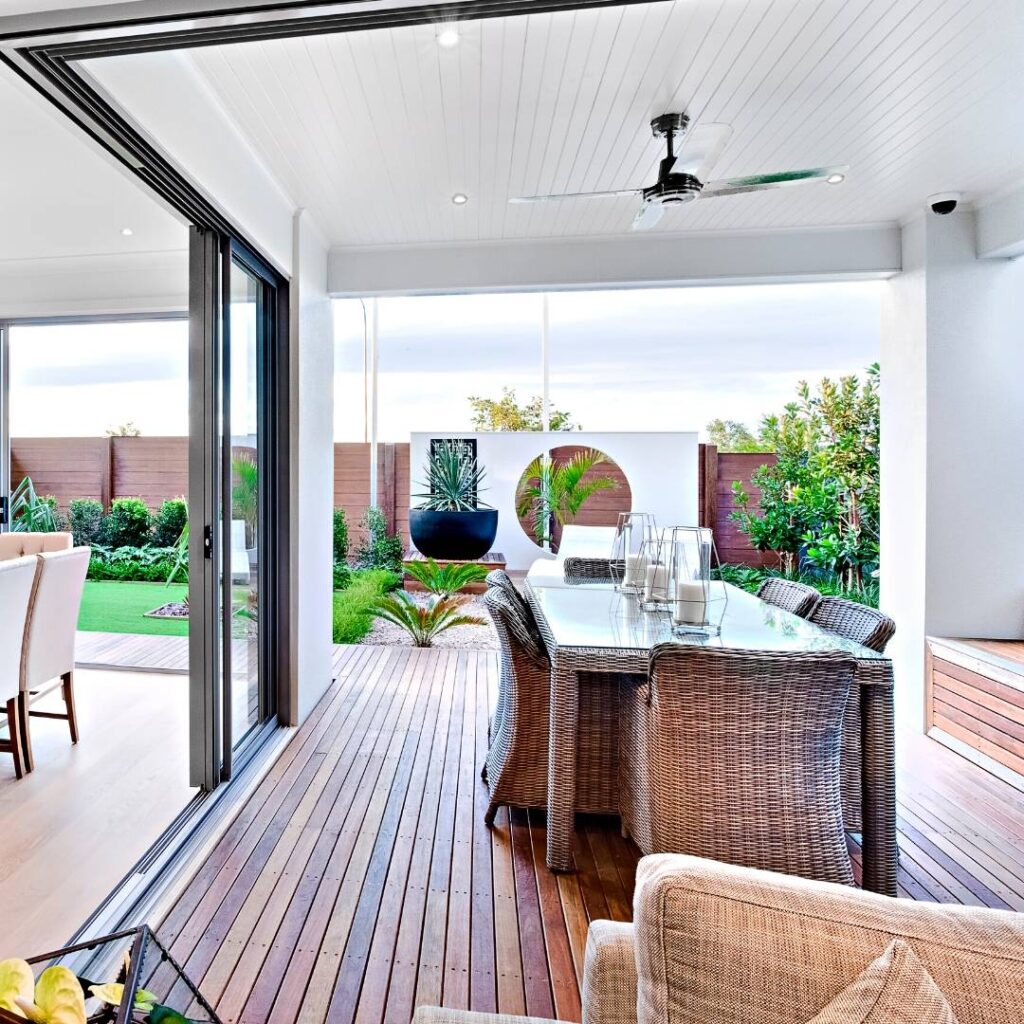
How Can a Pergola Transform Your Outdoor Living Experience?
A pergola features an open framework supported by posts that hold beams and rafters. Its roof can remain open or be enhanced with slats, battens, or climbing plants. The key characteristic of a pergola is its lack of weather sealing, which allows light to filter through, promotes airflow, and enables rain to pass through effortlessly.
Homeowners often opt for pergolas to define outdoor spaces, create dappled shade over decks or seating areas, and add vertical structure to their gardens. These structures can stand alone or be attached to the house. If your goal is to enjoy airflow and filtered light rather than complete weather protection, a pergola is an excellent choice.
It’s important to note that you can add a roof to a pergola using materials like polycarbonate or Colorbond. Once a solid roof is installed, it effectively transforms into a patio. The main distinction between the two structures is the roof type.
What Advantages Does a Patio Provide?
A patio is a covered outdoor area featuring a solid roof that offers protection from sun and rain, typically attached to the house. The primary benefit of a patio’s roof is that it allows you to enjoy this space, even during heavy rain or throughout the hot Brisbane summer.
Patio roofs come in various styles, including flat, gabled (a pitched roof that elevates the ceiling and facilitates heat escape), or flyover (a raised roof positioned above the existing roofline of the house to enhance height and airflow). Popular roofing materials include Colorbond steel or insulated panels, sometimes incorporating polycarbonate sections to allow natural light to filter through.
If you desire a genuine all-weather outdoor room—where you can leave furniture outside, cook, and entertain year-round—a patio provides the protection that an open pergola cannot.
What Characterises an Alfresco Area?
An alfresco area is a roofed outdoor living space that is seamlessly integrated into the home’s architecture, typically located beneath the main roofline. You will often find alfresco areas in newer homes, where the slab and roof are designed from the outset to include an open-sided living space adjacent to the kitchen or living room.
The key difference between an alfresco area and a patio lies in their integration with the home. A patio is often an extension, connected to an existing house, while an alfresco area is originally designed as part of the home’s layout. This integration creates an atmosphere similar to that of an indoor room, with one or more walls opening up to the backyard. While Queenslanders might use “alfresco” and “patio” interchangeably in conversation, the crucial distinction is whether the space was built-in or added later.
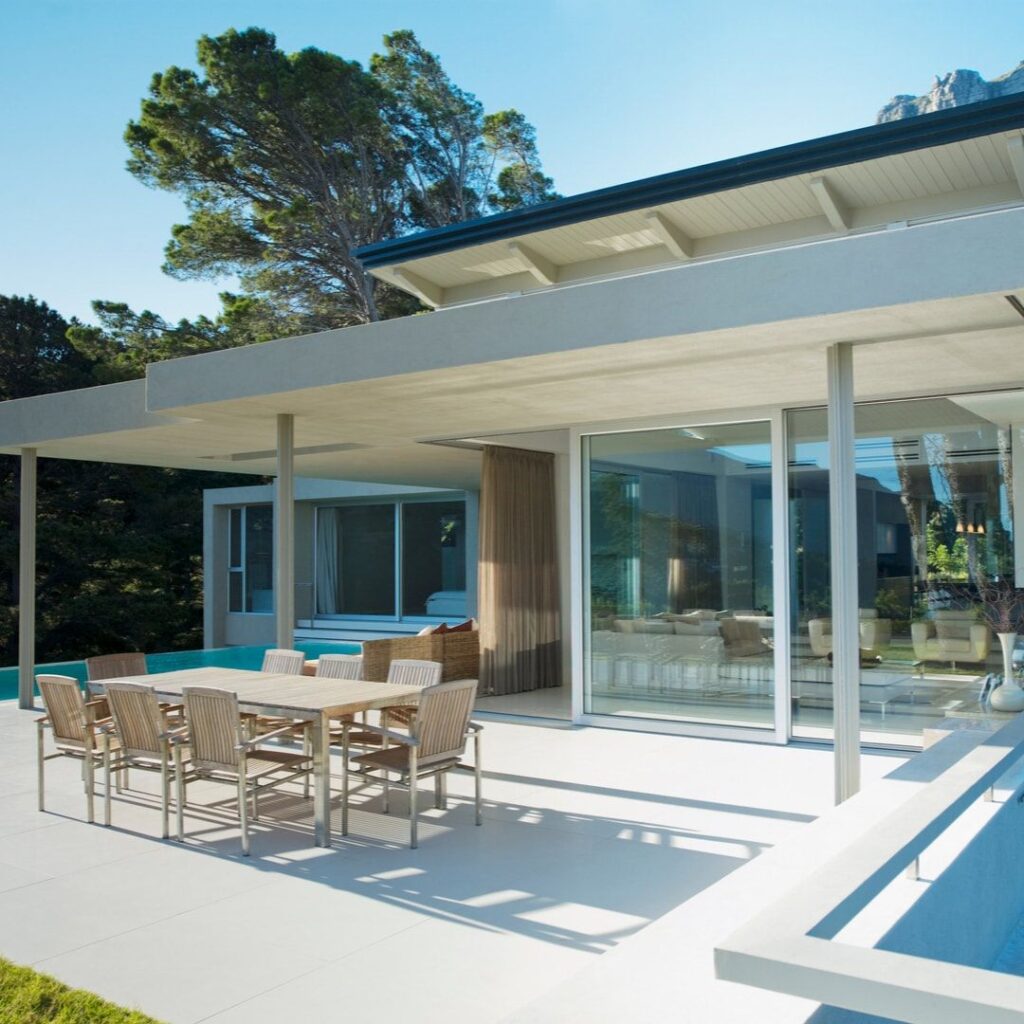
Comparative Overview of Pergolas, Patios, and Alfresco Areas
| Pergola | Patio | Alfresco | |
|---|---|---|---|
| Roof Type | Open frame, slats or climbing plants | Solid (Colorbond, panel, polycarbonate) | Solid — integrated with house roof |
| Weather Protection | Filtered shade, not rainproof | Complete sun and rain protection | Full cover, integrated |
| Construction Method | Freestanding or attached addition | Add-on connected to the house | Built into the home’s roofline |
| Ideal For | Airflow, filtered light, defining a space | All-weather outdoor room | New builds / integrated living zone |
| Aesthetic Appeal | Open and airy | Sheltered outdoor room | Indoor room open to the yard |
How Can I Determine the Best Option for My Property?
Start by considering how you envision using the space and the level of weather protection you need.
If you prefer airflow, dappled sunlight, and a structure that covers a deck or seating area without concern for rain, a pergola is your best option. If you seek a space that can be utilised in any weather, where furniture can be left outside and enjoyed as a true outdoor room, a patio is the more suitable choice. For those constructing a new home or undertaking significant renovations, planning an alfresco area from the outset is advisable.
Consider the characteristics of your block. Factors such as slope, sun orientation, prevailing breezes, and any necessary council approvals will influence the most suitable option for your property. Generally, a roofed patio or alfresco will require building approval more often than a small open pergola. Our guide on council approvals provides information on when this applies.
Key Considerations for Your Outdoor Space Design
The main differences lie in the roof type and construction: a pergola is open, a patio is a covered addition, and an alfresco area is a roofed living space integrated into the house. Your decision should be influenced by your intended use and the desired level of shelter.
Unsure which option best suits your yard? Call 07 3064 0661 for a free quote, and we’ll explore the possibilities for your block together. While you consider your options, feel free to browse our projects featuring pergolas, carports, and decks.
Common Questions About Outdoor Structures
What Sets a Pergola Apart from a Patio?
The main distinction lies in the roof type. A pergola is an open structure with posts, beams, and rafters supporting an open or slatted top, allowing light and air to flow while permitting rain to pass through. In contrast, a patio features a solid roof (often made of Colorbond, insulated panels, or polycarbonate) attached to the house, providing protection from sun and rain, effectively serving as a year-round outdoor room. In short, a pergola offers filtered shade and airflow, whereas a patio provides complete weather protection. If you add a solid roof to a pergola, it effectively becomes a patio. Your choice depends on whether you prefer an open, airy environment or a fully sheltered space. We can construct both and illustrate the differences on your property.
Is an Alfresco Area Identical to a Patio?
Not exactly, although the terms are often used interchangeably. The practical difference lies in their construction. A patio is generally an addition—an outdoor space with a roof that is attached to an existing house after its initial construction. An alfresco area, however, is typically designed as part of the home from the outset, located beneath the main roofline, creating the impression of an indoor room with one or more open sides leading into the kitchen or living area. Alfresco spaces are more common in newer constructions, where the slab and roof are planned from the beginning. Both options provide complete weather protection, but the distinction is whether the space was integrated into the house or added later. If you are renovating, you are more likely to be building a patio; if you are constructing a new home, you can plan for an alfresco area.
Can I Add a Roof to a Pergola?
Yes, adding a roof changes its classification. An open pergola can certainly have a roof installed—using materials like polycarbonate for light or Colorbond for complete coverage. Many homeowners choose to add a roof to enhance shade and rain protection. Once a solid roof is added, the structure functions as a patio rather than an open pergola. This modification may also introduce additional structural and council approval requirements, as a roofed structure is assessed differently than an open frame. If weather protection is your priority, it’s often simpler to construct a patio from the outset than to retrofit a pergola. We can help you decide which approach aligns best with your space and budget—just call us at 07 3064 0661.
Which Option Best Suits Brisbane’s Weather: Pergola, Patio, or Alfresco?
Your decision should be based on how you plan to use the space throughout the year in Brisbane. Our summers are characterised by intense sun, humidity, and sudden rain showers. If you need a reliable area that accommodates furniture, cooking, and entertaining regardless of the weather, a patio or alfresco with a solid roof is an effective solution. Particularly with a gabled or flyover roof that facilitates heat escape and airflow, this option is ideal. A pergola excels when you desire filtered shade and airflow rather than total coverage, making it perfect for decks or garden seating areas, often enhanced by climbing plants. Many Brisbane homes benefit from a combination of these structures. We take into account your block’s sunlight and breeze when providing estimates to ensure the design complements the local climate.
Do Pergolas, Patios, or Alfresco Areas Require Council Approval?
They potentially do, with a roofed structure more likely to necessitate approval than an open one. A small, low, freestanding open pergola is the most likely candidate for exemption from building approval, while a patio or alfresco with a solid roof connected to the house typically requires approval through a licensed certifier. Whether approval is necessary depends on factors such as size, height, roof type, whether it is attached to the house, boundary setbacks, and any overlays affecting your block. Regulations differ between Brisbane City Council and Redland City Council. We manage approvals and certification as part of our service, so you won’t need to navigate council inquiries yourself. If you wish to understand what your project may require, please call us at 07 3064 0661.
Can a Pergola, Patio, or Alfresco Area Increase My Home’s Value?
A well-constructed outdoor living area can significantly enhance your property’s appeal, as it expands your usable living space without the expense of a full extension. Given Brisbane’s climate, outdoor living is highly sought after. A roofed patio or alfresco area is regarded as an all-weather “outdoor room,” which is highly desirable to buyers, while a quality pergola adds charm and defines the yard. The increase in value arises from ensuring the build is completed correctly: utilising licensed construction, durable materials suited for the climate, and a cohesive design that integrates with the house. Conversely, a poorly constructed or unapproved structure can diminish your property’s appeal during a sale, especially if it lacks the necessary approvals. We are QBCC-licensed (Lic. 15154266) and prioritise quality, ensuring that your outdoor space becomes an asset rather than a liability.
Original Article First Published At: Pergola vs Patio vs Alfresco — What’s the Difference?
The Article: Pergola, Patio, or Alfresco: Understanding the Differences first appeared on https://writebuff.com
The Article Pergola, Patio, and Alfresco: Key Differences Explained Was Found On https://limitsofstrategy.com
References:
Pergola, Patio, and Alfresco: Understanding Their Key Differences