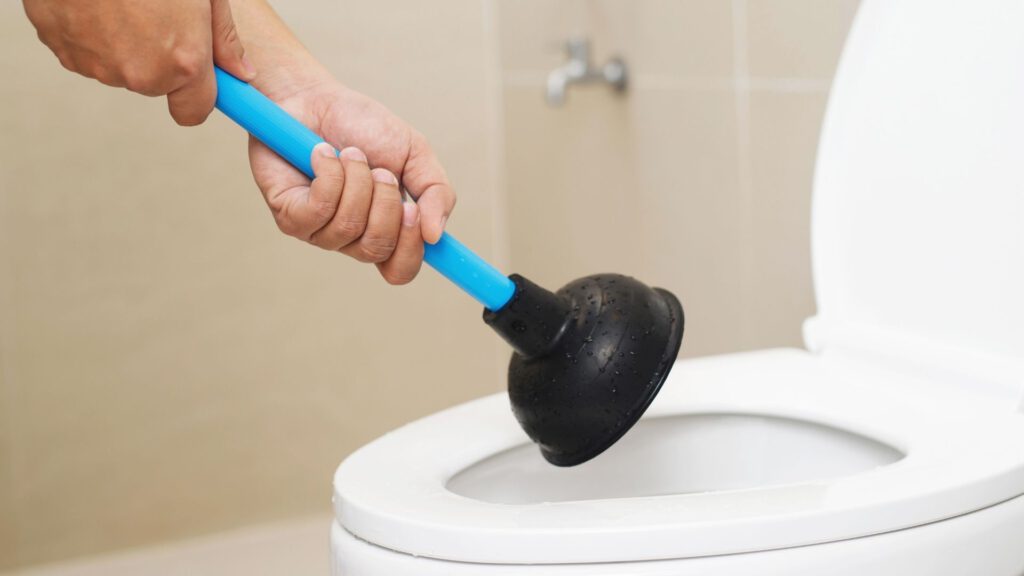
A blocked toilet usually gives several warning signs before it overflows. Stay alert for these five critical indicators: water that drains slowly or rises close to the rim, gurgling noises from the toilet or nearby drains, foul sewage smells, water backing up into the shower or floor waste, and a toilet that frequently blocks despite your attempts to clear it. By recognising these early symptoms, you can avoid further flushing and seek assistance from a plumber before wastewater spills onto the bathroom floor.
Blockages are a common issue in our community. Unitywater, the water and sewerage provider for Moreton Bay, reported 4,395 known wastewater blockages in its Moreton Bay, Sunshine Coast, and Noosa service areas in 2024/25. The main culprits include wet wipes, paper towels, cotton buds, tissues, tampons, and nappies.
- Key Indicators of a Blocked Toilet: slow drainage, gurgling noises, foul sewage odours, water backing up into other fixtures, and recurring blockages.
- Immediate Actions to Take: refrain from flushing, use a plunger once or twice, and check the overflow relief gully outside.
- Flushing Recommendations: As advised by Unitywater, only human waste and toilet paper should be flushed.
- When to Engage a Plumbing Expert: if the toilet remains blocked after your attempts to clear it, the blockage is likely located further down the drain.
What Signs Suggest Your Toilet May Be Blocked?
If you suspect a blockage, look out for the five signs detailed below. Some of these indicators point to a blockage within the toilet itself, while others suggest that the issue may be located further down the shared drainage system, affecting your shower, basin, and floor waste.
1. Water Drains Slowly or Rises Toward the Rim
Slow drainage is the most obvious sign of a blocked toilet. If the water in the bowl takes longer than usual to drain after a flush or rises toward the rim before slowly receding, an obstruction is likely hindering the flow. Common causes include excessive toilet paper, an accidentally flushed object, or a build-up of debris in the pipe. Continuously flushing a toilet that drains slowly can lead to an overflow onto the bathroom floor.
2. Gurgling Noises From the Toilet or Nearby Drains
Gurgling sounds from your toilet after a flush or when other fixtures in the home are draining may indicate a partial blockage. This can present as bubbling in the toilet bowl or in a nearby floor waste.
3. Persistent Sewage Odours Around the Toilet
A lingering sewage odour near the toilet or emanating from nearby drains is another indication of a blockage. If the smell persists despite cleaning the toilet bowl and the surrounding area, it’s wise to have a plumber investigate the drain.
4. Water Backing Up Into the Shower, Floor Waste, or Sink
If water rises through the shower drain or bathroom floor waste when you flush the toilet, the blockage is likely in the shared drain rather than the toilet itself. Over time, grease from the kitchen, hair from the bathroom, and sediment can accumulate in the main drain line. The toilet often shows signs first since it discharges a large volume of water at once.
5. Recurring Toilet Blockages
If your toilet blocks shortly after being cleared, the issue is likely deeper within the plumbing system. If using a plunger provides only temporary relief before the blockage returns, tree roots may have infiltrated the sewer pipe. This is common in older homes across Caboolture and Morayfield, where clay drainage pipes are still in use. Our guide on tree roots in blocked drains explains why these pipes are vulnerable to root damage.
Sometimes, a toilet that seems blocked may not actually have an obstruction. A worn flush valve or incorrect water level in the cistern can result in a weak flush that fails to clear the bowl effectively, mimicking a blockage. A plumber can inspect the cistern and flush mechanism to repair any faulty components.
What Actions Should You Take When Facing a Blocked Toilet?
First, cease flushing the toilet. Each flush adds more water to a pipe that cannot drain, and Unitywater warns that subsequent flushes can push wastewater back up through your floor drains. Follow these steps:
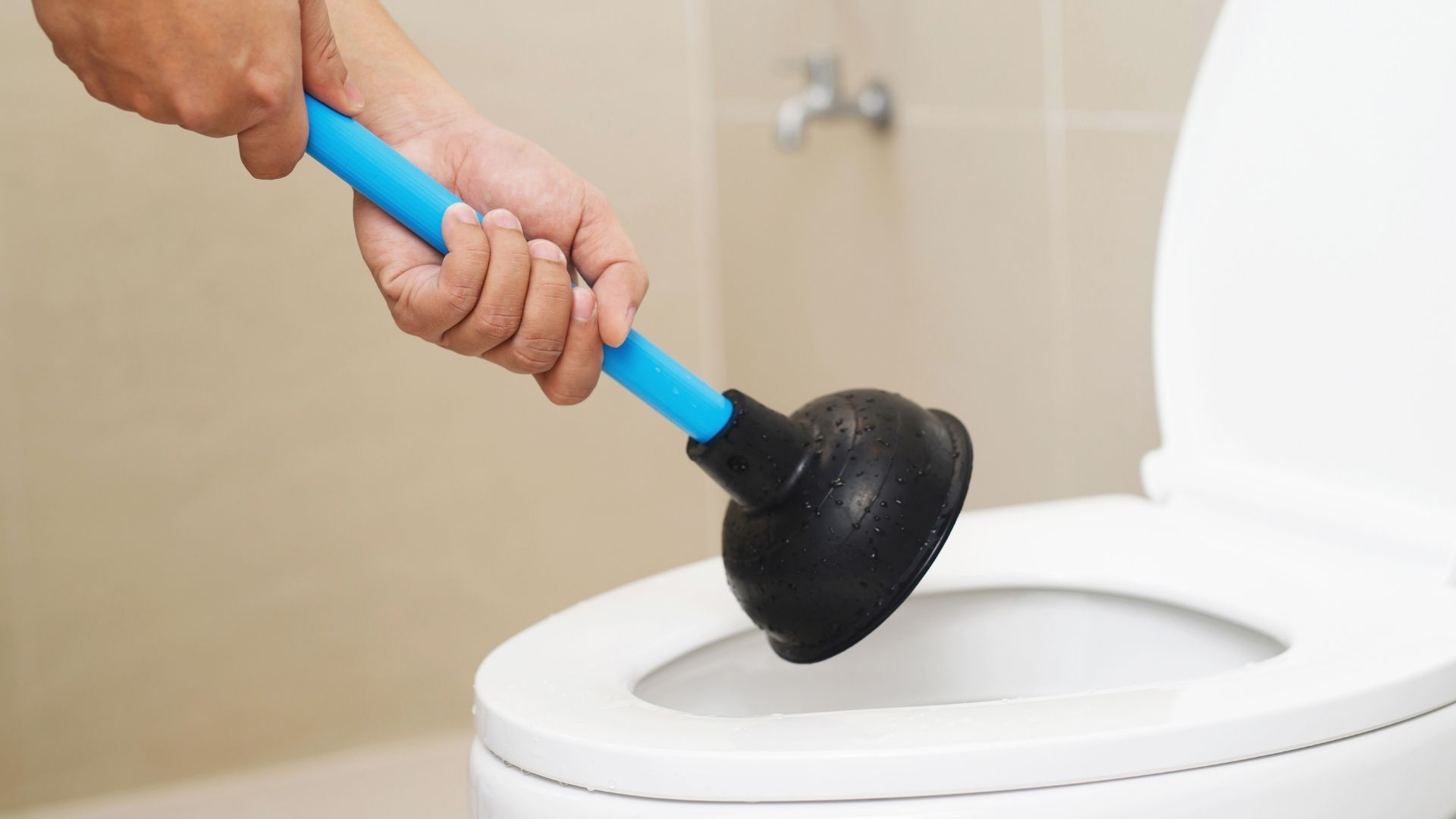
- Use a plunger once or twice. If the toilet does not clear, stop plunging, as the blockage may be deeper down the pipe.
- Check the overflow relief gully outside. This drain, featuring a grate, is located outside your home within your property boundary. The grate should lift when the drain overflows. If it has lifted or if there is wastewater around it, the house drain is blocked, and you should contact a plumber.
- Examine other fixtures. If the shower, basin, or floor waste also drains slowly or backs up, inform your plumber, as this information can help pinpoint the blockage’s location.
- Reach out to a licensed plumber. A blockage that cannot be cleared with a plunger requires specialised equipment for identification and resolution.
Our step-by-step guide on using a drain snake for blocked drains provides details on what you can attempt at home and when to seek professional assistance.
Why Is the Overflow Relief Gully Important?
The overflow relief gully (ORG) is essential for protecting your home during drain blockages. The Queensland Building and Construction Commission (QBCC) states that the ORG directs overflow when sewage surcharges occur, and it is located outside the building to ensure overflow is visible. Under plumbing standard AS/NZS 3500 Part 2, the top of the gully must be at least 150mm below the lowest fixture connected to the drain, such as the floor waste, to ensure that sewage overflows outside rather than entering the house.
This system functions effectively only if the grate can lift. Avoid placing pot plants, pavers, or any other objects on or over the grate. If landscaping or new paving has buried or elevated the ORG, consult a plumber for assistance.
What Are the Main Causes of a Blocked Toilet?
Unitywater identifies unflushable items as the primary causes of blockages in its network, stating that only urine, faeces, and toilet paper should be flushed. Toilet paper is specifically designed to break down in water within 30 seconds, while tissues and paper towels are made to be durable, and many wet wipes contain plastics that do not decompose like toilet paper.
- Wipes and sanitary products: Even wipes labelled as flushable do not break down adequately. They can catch on pipe joints and accumulate until the toilet blocks.
- Tree roots in the sewer line: If the toilet frequently blocks and plunging only provides temporary relief, roots may have invaded the sewer pipe. This issue is common in older homes featuring clay drainage pipes.
- Foreign objects: Items such as children’s toys, cotton buds, and excessive toilet paper can become lodged in the toilet trap or further down the pipe.
- Accumulation in the main drain: Over time, grease, hair, and sediment can constrict the pipe until the toilet begins to drain slowly.
- Weak flush: A worn valve or low water level in the cistern may leave waste in the bowl, creating the appearance of a blockage.
Placing a small bin next to the toilet encourages everyone in the home to dispose of wipes and sanitary products correctly instead of flushing them.
Who Is Responsible for Blocked Sewers in Moreton Bay?
In Moreton Bay, the property owner is responsible for the private drain, while Unitywater oversees the sewer. Unitywater’s policy for clearing blocked private sewer pipes states that the owner is responsible for maintaining the drain from the building to the inspection opening, while Unitywater manages its sewerage network up to and including the inspection opening at each property.
This means that a blocked toilet is generally an issue for your plumber. If your plumber discovers that the blockage is located on Unitywater’s side of the inspection opening, they will halt work and report it to Unitywater. Private plumbers are not permitted to clear blockages within Unitywater’s network. Unitywater will also respond directly if sewage has entered a home or if multiple properties in the same area experience blockages simultaneously.
How Does Creek to Coast Plumbing Effectively Resolve Blocked Toilets?
We offer blocked toilet clearance services throughout Caboolture, Morayfield, and the wider Moreton Bay region. Upon arrival, we address the immediate blockage using a plunger, auger, or jetter, depending on the severity of the obstruction. If the toilet continues to block or if the blockage is deeper within the plumbing system, we utilise a CCTV camera to identify the cause and employ our hydro jetter to remove roots, grease, and build-up from the sewer pipe.
If the issue lies within the toilet itself, we will repair the cistern, flush valve, seals, or connections. If the toilet pan is cracked or irreparable, we can supply and install a new unit. Should you experience multiple slow drains in the house, our page on blocked drains in Caboolture outlines how we detect and clear blockages within the house drain.
Frequently Asked Questions About Blocked Toilets
Are Flushable Wipes Safe to Flush Down the Toilet?
No. Wipes labelled as flushable do not break down like toilet paper and can become stuck at pipe joints, leading to blockages. Unitywater identifies wet wipes as significant contributors to blockages in its network, stating that only urine, faeces, and toilet paper should be flushed. Dispose of wipes in a bin next to the toilet instead.
Can a Toilet Seem Blocked When It Is Not?
Yes. A worn flush valve or incorrect water level in the cistern can result in a weak flush that leaves waste in the bowl, creating the illusion of a blockage. A plumber can examine the cistern and flush mechanism to rectify any worn components.
What Should I Do If Sewage Backs Up Through the Floor Waste?
Immediately stop using the toilet, shower, and basins to prevent further water from entering the drain. Contact a plumber to locate and resolve the blockage. Unitywater directly responds when sewage enters a home, so if overflow occurs inside, you can also reach out to Unitywater at 1300 086 489.
Reach Out to a Blocked Toilet Plumber in Moreton Bay
If your toilet is draining slowly, gurgling, or blocking frequently, contact Creek to Coast Plumbing at 1300 793 962 or send us a message. Provide details about the affected toilet and any observations you’ve made, and we’ll explain the next steps and offer a quote before commencing any work. We are available 24/7 for urgent blocked toilet issues.
Original Article First Published At: 5 Signs That You May Have a Blocked Toilet: A Guide from Creek to Coast Plumbing
The Article: Blocked Toilet: 5 Signs You Need to Watch For first appeared on https://writebuff.com
The post Blocked Toilet Signs: 5 Indicators You Shouldn’t Ignore appeared first on Limits Of Strategy.