Explore Your Complete Guide to Cholesterol Levels in Hull
Key Steps for Your Initial Cholesterol Evaluation
Private Blood Tests for High Cholesterol in Hull: Residents of Hull should reach out to local NHS services for thorough assessments of their cholesterol levels through standard blood tests. These tests accurately measure LDL and HDL levels over time, which are vital for understanding personal cholesterol profiles and determining necessary lifestyle adjustments or medical treatments.
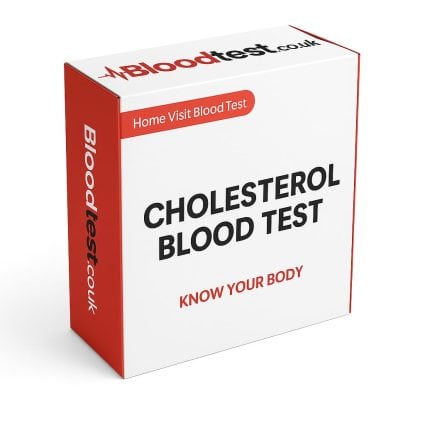

The NHS offers a wealth of resources for residents, including online platforms and conveniently located local clinics. Engaging with these services ensures that individuals receive personalised guidance and support, which is essential for maintaining healthy cholesterol levels and overall wellbeing.
How to Identify Risk Factors for Hull Residents
In Hull, lifestyle choices, particularly dietary habits, frequently contribute to high cholesterol levels. This underscores the need for proactive monitoring at accredited UK clinics. A high intake of processed foods combined with insufficient physical activity significantly affects cholesterol levels in the local community.
Socioeconomic factors also significantly impact health outcomes. Understanding these local dynamics enables healthcare professionals in Hull to create more effective, community-driven strategies for cholesterol management.
Guidelines for Cholesterol Monitoring Frequency
For individuals in Hull, regular cholesterol evaluations every few months are crucial for maintaining healthy levels, as recommended by local health professionals. The frequency of these assessments typically depends on individual risk factors, including family history and pre-existing health conditions.
Local health authorities suggest more frequent monitoring for those above a certain age or individuals with existing health issues. This proactive approach allows for timely lifestyle changes or medication adjustments as necessary.
Preparing for Your Blood Test: Essential Steps
Dietary Changes to Implement Before Testing
To ensure the accuracy of your blood sample, practitioners in Hull recommend avoiding fatty foods for a minimum of 12 hours before testing. This fasting period removes immediate dietary influences on cholesterol levels, resulting in a more accurate evaluation.
Staying properly hydrated by consuming ample water is vital to avoid fat interference. Good hydration aids the blood draw process, ensuring that the collected sample is of high quality for laboratory analysis.
Medication Considerations for Local Residents
It is important to discuss any ongoing medications with your GP in Hull to avoid potential interference during the cholesterol blood test. Certain prescriptions may impact cholesterol levels and might need to be temporarily paused prior to testing to guarantee accurate results.
Maintaining open communication with healthcare providers about all medications, including over-the-counter drugs and supplements, is essential. This transparency is critical for accurately interpreting test results and making informed health choices.
Strategies for Scheduling Your Appointment
Residents in Hull can conveniently book appointments through NHS systems to access testing services. The NHS provides an online booking platform that allows individuals to select suitable times and locations for their cholesterol tests.
It is wise to confirm your appointment a day in advance. This practice helps manage last-minute changes and decreases the risk of delays or missed opportunities for testing.
Understanding the Blood Testing Process
Techniques for Blood Sample Collection
A straightforward venous blood draw is performed at clinics in Hull, with samples analysed by UK laboratories. This method involves extracting blood from a vein, typically from the arm, and is standard practice for cholesterol testing.
Once collected, the blood sample is dispatched to a laboratory for analysis. Patients can anticipate the procedure to be swift and involve minimal discomfort, making it accessible for everyone in the community.
Laboratory Analysis Procedures in the Region
Samples collected from Hull are analysed for lipid profiles following established protocols, ensuring reliable results within days. Laboratories adhere to strict guidelines to maintain accuracy and consistency, which is critical for effective health management.
These analyses focus on key cholesterol markers, including LDL and HDL levels, which are essential for assessing cardiovascular risk. Understanding these results empowers patients to make informed health decisions.
Expected Timelines for Receiving Your Results
Patients can expect notifications from health centres in Hull within a week, facilitating prompt follow-up actions. Timely delivery of results is crucial, enabling individuals to understand their cholesterol status and take necessary measures without delay.
Typically, results can be accessed online or communicated via phone calls from healthcare providers. This timely exchange encourages a proactive approach to managing cholesterol levels.
Pre-Test Preparation Guidelines
Patients scheduled for lipid testing at clinics in Hull receive specific instructions regarding dietary and medication restrictions ahead of their appointments. This ensures that venous blood samples yield accurate and reliable results at local laboratories.
Following these pre-test guidelines is crucial for ensuring test results accurately reflect true cholesterol levels. This empowers patients to take control of their health by adequately preparing for the testing process.
Insights from Experts on Blood Tests for High Cholesterol in Hull
Evaluation Techniques Used by Healthcare Professionals
Real-world examples from cases in Hull showcase the accurate cholesterol assessment methods employed by specialists. These methods typically include comprehensive lipid panels that provide detailed insights into total cholesterol levels and the breakdown of LDL and HDL.
Healthcare professionals in Hull utilise these evaluations to develop personalised treatment plans. By understanding individual patient profiles, they can offer more effective recommendations regarding lifestyle adjustments and potential medications.
Advanced Skills in Interpreting Cholesterol Data
Expert analysis of lipid markers relevant to Hull patients enhances planning for improved health outcomes. Specialists focus on interpreting not only the numerical data but also the broader context of each patient’s health, including family history and lifestyle factors.
This sophisticated interpretation allows for a more tailored approach to cholesterol management. It aids healthcare providers in Hull in developing targeted strategies that address the unique needs of their patients.
Personalised Recommendations from Healthcare Specialists
Actionable steps designed specifically for individuals in Hull to manage elevated cholesterol levels may include dietary modifications, increased physical activity, or medication adjustments. Specialists typically offer practical strategies that seamlessly integrate into patients’ daily routines.
Ongoing support and education are vital for long-term success in cholesterol management. By providing resources and regular follow-ups, healthcare providers in Hull help patients stay motivated and informed about managing their cholesterol levels.
Leveraging Local Hull Resources for Enhanced Health
Explore the contributions of Hull-based research institutions in improving blood test methodologies for high cholesterol. These institutions often collaborate with healthcare providers to develop innovative tools that enhance the accuracy and reliability of cholesterol testing.
Such advancements not only improve patient outcomes but also empower local healthcare professionals with up-to-date knowledge and techniques in cholesterol management. This collaboration between research and practice is essential for the health of the community.
Monitoring and Follow-Up Protocols for Effective Health Management
Expert recommendations on regular monitoring schedules after blood tests in Hull are essential for effectively tracking cholesterol levels. These protocols ensure that patients receive timely interventions when necessary.
Incorporating education about lifestyle changes into follow-up care is equally important. Patients who understand the significance of maintaining healthy cholesterol levels are more likely to adhere to their treatment plans and achieve better health outcomes.
What Symptoms Indicate You Might Have High Cholesterol?
Identifying Physical Symptoms Associated with High Cholesterol
Residents of Hull may experience fatigue or other signs that necessitate timely blood testing for high cholesterol. Although high cholesterol itself often presents no symptoms, related conditions such as chest pain or shortness of breath may indicate underlying health issues.
Being vigilant about these signs is essential for early detection. Regular check-ups and blood tests can identify high cholesterol before it escalates into more serious health complications.
When Should You Seek Local Testing Services?
Early detection in Hull is crucial for preventing complications through proactive NHS blood tests. If individuals notice symptoms linked to high cholesterol or possess identifiable risk factors, pursuing testing without delay is vital.
NHS resources in Hull provide accessible testing options, ensuring residents can obtain necessary care without unnecessary barriers. This proactive approach can save lives by spotting issues at an early stage.
Understanding the Connection Between Lifestyle and Health in Hull
Dietary habits prevalent in Hull significantly contribute to symptoms that are best confirmed through professional testing. Many residents consume diets high in saturated fats, leading to elevated cholesterol levels and increased health risks.
Recognising these lifestyle connections is critical for formulating effective prevention strategies. By addressing dietary choices and promoting healthier alternatives, Hull can strive to reduce high cholesterol rates in the community.
Research-Backed Benefits of Blood Testing for High Cholesterol in Hull
Improved Health Outcomes Through Early Testing
Research indicates that patients in Hull benefit from early cholesterol testing, effectively lowering cardiovascular risk. Regular cholesterol assessments enable timely interventions, allowing patients to make informed decisions regarding their health and lifestyle choices.
Early detection can lead to significant improvements in overall health outcomes. Patients who engage in routine testing are more likely to maintain healthy cholesterol levels and avoid complications associated with cardiovascular disease.
Effective Prevention Strategies for Local Residents
- Maintain a balanced diet abundant in fruits and vegetables.
- Engage in regular physical activity, aiming for at least 150 minutes each week.
- Limit the consumption of processed and high-fat foods.
- Monitor alcohol intake to keep it within moderate levels.
- Quit smoking to enhance overall cardiovascular health.
- Stay hydrated and maintain a healthy weight.
Implementing these strategies can greatly assist Hull residents in managing their cholesterol levels. By incorporating these practices into their daily routines, individuals can effectively decrease their risk of heart disease.
Support for Sustaining Long-Term Health and Wellbeing
Regular testing promotes sustained health for individuals living in Hull by enabling informed decision-making. It empowers individuals to take control of their health and make necessary lifestyle changes based on their cholesterol levels.
Ongoing support from healthcare providers is essential. Regular check-ups and educational resources can help residents maintain healthy cholesterol levels and improve their overall quality of life.
Insights from Local Research Trials
Studies conducted in Hull demonstrate that consistent cholesterol testing leads to improved management of lipid levels and a reduction in heart disease incidence among the local population over time. These findings underscore the importance of proactive health measures.
This evidence reinforces the need for ongoing investment in cholesterol screening and public health initiatives. By prioritising regular testing, Hull can work towards fostering a healthier community.
Where to Access Testing Centres in Hull
Convenient Local NHS Clinics
Hull features numerous NHS sites equipped to conduct cholesterol blood tests, providing easy access for the public. These clinics are designed to offer convenient and affordable testing for all residents.
Patients can find nearby NHS clinics by visiting the NHS website or contacting local health authorities for guidance. This accessibility ensures that everyone in Hull can take charge of their health.
Options for Private Testing Services
Several accredited private providers in Hull offer flexible appointment options for cholesterol testing. Private clinics often provide quicker access to testing and results, catering to those with busy schedules or specific requirements.
Opting for private services can also offer additional advantages, such as more comprehensive health assessments. This flexibility allows patients to customise their healthcare according to their lifestyles.
Community Health Initiatives Supporting Cholesterol Screening
Local initiatives in Hull provide further support for cholesterol screening services. Community health programmes often focus on education and outreach, assisting residents in understanding the importance of regular testing.
These resources may include workshops, informational sessions, and support groups aimed at raising awareness about cholesterol management. Engaging with these initiatives empowers residents to take proactive steps towards better health.
Interpreting Your Test Results Accurately
Understanding Cholesterol Level Ranges
Doctors in Hull clarify target levels for total cholesterol to enhance patient understanding. Generally, a total cholesterol level below 5.0 mmol/L is deemed desirable, while higher levels may signify an increased risk of cardiovascular disease.
Grasping these ranges is crucial for patients. It enables them to contextualise their results and engage in informed discussions with their healthcare providers regarding required actions.
Next Steps Following Your Analysis
Follow UK guidelines to address any elevated results from tests conducted in Hull. Should cholesterol levels surpass recommended limits, healthcare providers may propose lifestyle changes or medication adjustments.
It is vital for patients to follow up with their doctors to discuss the implications of their results. This proactive approach ensures individuals can take appropriate steps to effectively manage their health.
The Significance of Professional Consultation
Reviewing findings with a healthcare professional in Hull is essential for receiving personalised recommendations. Consulting with experts allows patients to gain insights tailored to their specific health profiles and circumstances.
This consultation is critical for formulating a comprehensive plan that addresses individual needs. It empowers patients to play an active role in managing their health.
Strategies for Post-Test Follow-Up and Care
Guidance on Dietary Modifications
Adopt UK nutritional guidelines tailored to Hull lifestyles for effective cholesterol management. Emphasising a diet rich in whole foods, including fruits, vegetables, and whole grains, can significantly assist in managing cholesterol levels.
Reducing saturated fats while increasing omega-3 fatty acids from sources such as fish can also be beneficial. These dietary changes are fundamental for long-term health and cholesterol management.
Recommendations for Ongoing Monitoring
- Schedule follow-up cholesterol tests every 6 to 12 months.
- Maintain regular check-ins with healthcare providers.
- Track dietary habits and levels of physical activity.
- Adjust lifestyle changes based on test outcomes.
These critical follow-up actions are essential for sustained health in Hull, helping individuals manage their cholesterol effectively. Regular monitoring ensures that necessary adjustments can be made promptly.
Access to Support Services for Long-Term Management
Residents of Hull can access group programmes designed for long-term cholesterol management. These programmes often provide educational resources, support systems, and motivation for individuals aiming to enhance their health.
Participation in community health initiatives fosters a sense of accountability and encourages healthier lifestyle choices. These services are invaluable for those committed to effectively managing their cholesterol levels.
Consulting Professionals on Test Results
Patients in Hull benefit from dedicated follow-up consultations post-testing, during which specialists review cholesterol levels, discuss implications for cardiovascular health, and outline tailored action plans that incorporate local facilities and UK guidelines for effective long-term management.
These consultations provide an opportunity for patients to ask questions and gain clarity about their health status. This collaborative approach ensures individuals feel supported on their journey towards improved health.
Frequently Asked Questions
What does a cholesterol blood test involve?
A cholesterol blood test measures cholesterol and triglyceride levels in your blood. This test evaluates your risk of heart disease and other cardiovascular conditions.
How often should I undergo cholesterol testing?
It is generally recommended for adults to have their cholesterol levels checked every 4 to 6 years, but more frequent testing is advisable if you have risk factors or a family history of heart disease.
What do the terms LDL and HDL mean?
LDL stands for low-density lipoprotein, commonly referred to as “bad” cholesterol, while HDL denotes high-density lipoprotein, recognised as “good” cholesterol. Maintaining a balance between these levels is critical for heart health.
Can high cholesterol be managed without medication?
Yes, many individuals can manage high cholesterol through lifestyle changes such as diet, exercise, and weight management. Some may require medication based on their doctor’s recommendations.
Which foods should I avoid to lower cholesterol?
To lower cholesterol, it is advisable to avoid foods high in saturated fats, trans fats, and cholesterol, such as red meat, full-fat dairy products, and processed snacks.
What is the typical timeframe for receiving cholesterol test results?
Cholesterol test results are usually available within a week, depending on the laboratory’s processing time and the communication methods used by healthcare providers.
Are there symptoms associated with high cholesterol?
High cholesterol typically presents no symptoms, but it can lead to severe conditions like heart disease. Regular testing is vital for early detection of high cholesterol.
Is cholesterol testing covered by the NHS?
Yes, cholesterol testing is covered by the NHS for eligible patients, particularly those at higher risk of heart disease or with existing health conditions.
What lifestyle modifications can assist in lowering cholesterol?
Incorporating a balanced diet, engaging in regular exercise, quitting smoking, and maintaining a healthy weight can significantly help lower cholesterol levels.
Where can I obtain a cholesterol test in Hull?
Cholesterol tests can be performed at NHS clinics, private healthcare providers, and local community health initiatives in Hull. Consult your GP for recommendations.
Visit our Facebook profile today!
This Article Was First Found On https://bloodtest.co.uk
The post High Cholesterol Blood Test in Hull: Essential Information appeared first on Limits Of Strategy.