Last Updated on May 31, 2026 by David
Victorian tile floors frequently appear to have lost their once-vibrant colours long before the underlying clay shows any signs of wear. The faded designs, dull surfaces, dark traffic lanes, and uneven colour distribution can mislead many into thinking that a historic floor is irreparable. much of its original allure often lies hidden beneath layers of wear, dirt, and the passage of time.
Understanding the aging process of these Victorian tiles illuminates why their appearance can diverge significantly from their actual material condition.
What Makes It Seem Like Victorian Tile Colours Are Permanently Lost When Their Original Pigments Remain Intact?
If your Victorian tile floor seems faded, uneven, or stripped of its original hues while still being structurally sound, this impression can be deceiving. Homeowners often conclude that the colours have vanished due to the diminished contrast and definition that were once prominent in these entrances and pathways. In truth, a considerable amount of the original colour may still be lurking beneath the surface, waiting to be revealed.
Which Factors Lead to Fading and Colour Diminishment?
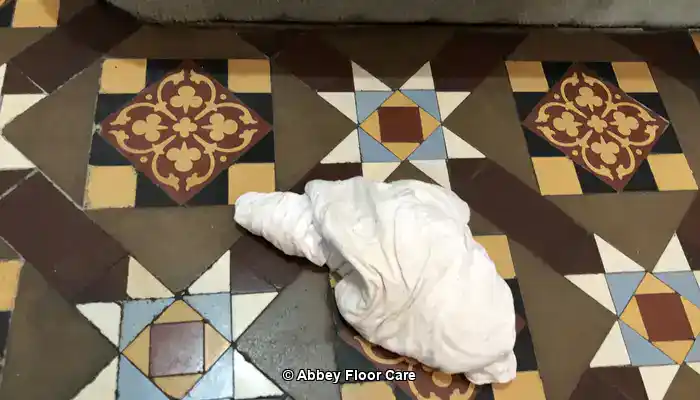
Colour changes are often the first noticeable signs of deterioration in Victorian tile floors. Reds can appear muted, buff tones may seem washed out, and patterned areas frequently lose the clarity they once had. Historic entrance floors may develop a grey or dusty look, obscuring the richness that was originally integral to their design. This decline in vibrancy can significantly reduce the aesthetic charm of these historic spaces.
How Does Dullness Affect Colour Contrast?
Dullness can create the illusion of uniform aging across the floor. Borders lose definition, field tiles begin to blend, and intricate geometric designs lose much of their visual allure. In numerous period hallways, while the original decorative scheme remains intact, the reduced contrast makes it far more challenging for observers to appreciate the beauty of the design.
What Impact Do Traffic Patterns Have on the Floor’s Appearance?
Heavy foot traffic creates visible pathways on the floor. Hallways, vestibules, and main entry routes often develop darker or lighter lanes that draw immediate attention. These patterns narrate how the property has been utilised over the years, adding depth to the floor’s history.
How Can You Reveal Hidden Colour Retention?
Areas shielded by furniture, skirting boards, or architectural features often retain significantly more vibrant colour. The contrast between these protected sections and the exposed floor can be striking. In my experience, historic encaustic tiles and Minton tiles frequently reveal more colour depth than homeowners anticipate when comparing these protected areas against their more exposed counterparts.
The visible condition of a Victorian floor does not always accurately reflect how much original colour remains. Its appearance may suggest a permanent loss, even when a substantial amount of decorative character is still preserved beneath the surface.
What Causes Two Identical-Looking Victorian Floors to Age Differently?
Differences in colour retention can begin long before any noticeable wear becomes visible. Various Victorian manufacturers employed different clay sources, firing techniques, and colouring materials. Two floors that appeared nearly identical upon installation may exhibit very different responses over a century, resulting in diverse aging patterns that influence their overall appearance.
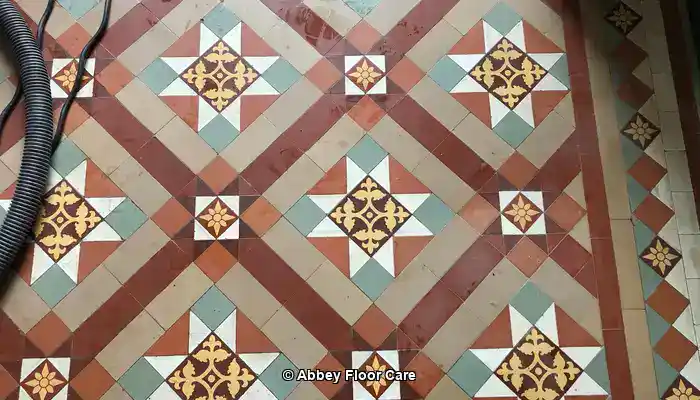
Dense clay construction generally resists visible changes more effectively because the fired body remains comparatively stable over time, allowing it to preserve its original allure.
Different mineral colourants respond inconsistently to decades of foot traffic and environmental exposure, leading to varying degrees of colour alteration and loss of pattern clarity. While Victorian encaustic tiles and Minton tiles may appear similar at first glance, their long-term aging characteristics can differ significantly.
What Insights Do Worn Areas Provide About the Floor’s History Beyond Surface Appearance?
Repeated efforts to rejuvenate worn areas can often obscure the true reasons behind their altered appearance. Certain sections of a floor may document decades of usage far more clearly than others, creating a visual map of movement throughout the building.
Wear patterns often reveal history, rather than damage.
Door thresholds, traffic routes, and turning points frequently display the most significant visible changes. These locations often correlate directly with the paths taken by generations of occupants, showcasing the life of the building through its flooring.
A professional assessment can distinguish between removable contamination and permanent changes caused by long-term wear. This distinction is crucial, as appearance alone rarely provides the complete picture of a floor’s condition.
How Do Some Finishes on Victorian Tiles Enhance Colour While Others Create Future Challenges?
Wax blooming is one reason a floor may initially appear richer, only to develop problems later on. Surface treatments can significantly affect appearance, just as much as the underlying tiles themselves.
Breathable finishes allow moisture movement while enhancing colour and maintaining the look of traditional clay-based flooring. A restored Victorian tile floor keeps its original fired matte surface and consistent colour balance. In contrast, a topically sealed finish — where appropriate — can provide a slight protective sheen without compromising the period character.
Non-breathable coatings can create a more pronounced visual effect but may disrupt moisture movement in older floors, particularly where a damp-proof membrane is absent. Further discussion can be found in this guide on Victorian tile restoration.
How Do Dirt, Oils, and Old Coatings Influence Colour Perception?
If your Victorian tile consistently appears dull shortly after cleaning, contamination may be affecting its appearance. Historic floors gradually accumulate residues that complicate accurate colour interpretation.
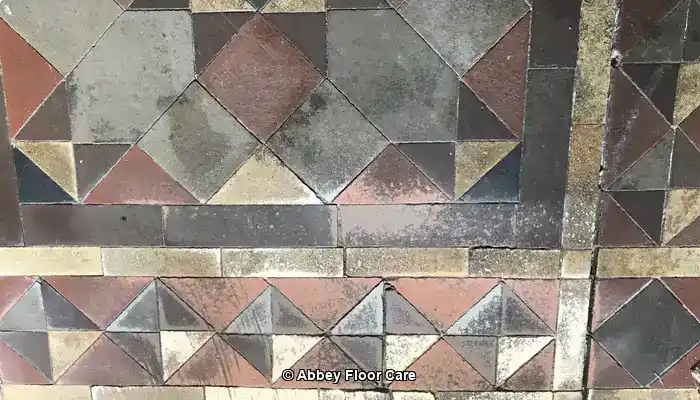
Old waxes, oils, and surface coatings can dull colours, decrease contrast, and trap dirt within the surface. What is often perceived here is decades of build-up altering the appearance far more than the clay itself has aged.
Historic residues frequently create uneven colour variation that closely resembles fading. Additional context is available in this article about Victorian tile cleaning.
Why Does Cleaning Sometimes Restore Colour While Other Times It Makes No Difference?
Permanent colour change is often mistaken for contamination when a floor fails to respond to cleaning efforts. The success of cleaning in producing significant improvements or minimal change depends on the nature of the underlying issue affecting the floor.
Cleaning removes contamination, not historic wear.
Floors primarily affected by accumulated dirt can show significant improvement after cleaning. In contrast, floors that have endured decades of abrasion may exhibit only limited visual change, as their appearance reflects physical alterations rather than removable residues.
This explains why two seemingly similar floors can respond so differently to the same cleaning regimen, with one showcasing vibrant results while the other remains lacklustre.
How Does Trapped Moisture Continuously Affect the Appearance of Victorian Tiles?
Using an inappropriate sealing method can influence the appearance of a Victorian tile floor for many years. Moisture movement is a typical characteristic of many historic floors, especially those installed before the widespread adoption of damp-proof membranes.
Victorian encaustic and geometric tiles are clay-fired at high temperatures. Their fired surface is chemically stable but remains physically vulnerable to abrasion and incompatible with acidic cleaning agents, which can inflict additional wear over time.
When moisture cannot evaporate naturally, dark patches, staining, and recurring white deposits may occur. Floors treated with compatible breathable systems generally manage moisture movement more effectively than those covered with impermeable coatings, preserving their appearance over time.
Why Do White Deposits, Wax Blooming, and Fading Often Reappear After Treatment?
Efflorescence, wax blooming, and recurring fading typically indicate that the underlying cause remains active. The symptoms may fade temporarily, but the driving condition continues beneath the surface, causing ongoing issues with the floor’s appearance.
What Are the White Deposits You May Notice?
White surface residues often appear when moisture movement carries dissolved salts towards the surface, creating unsightly deposits that can detract from the floor’s beauty.
How Does Surface Blooming Occur?
Cloudy films can return when older coatings continue to react to environmental conditions, leading to a lackluster finish that detracts from the floor’s overall appeal.
Why Does Dullness Recur After Treatment?
Surface dullness may reappear if historic wear or chemical damage from acidic cleaners has altered the floor’s original appearance, necessitating careful consideration during restoration efforts.
What Factors Enable Some Victorian Tile Floors to Maintain Their Character for Decades After Restoration?
If your Victorian tile floor has retained vivid colour and clear pattern definition for decades, there is usually a reason behind it. The long-term appearance relies on a combination of material quality, environmental conditions, and suitable protection methods that respect the original character of the tiles.
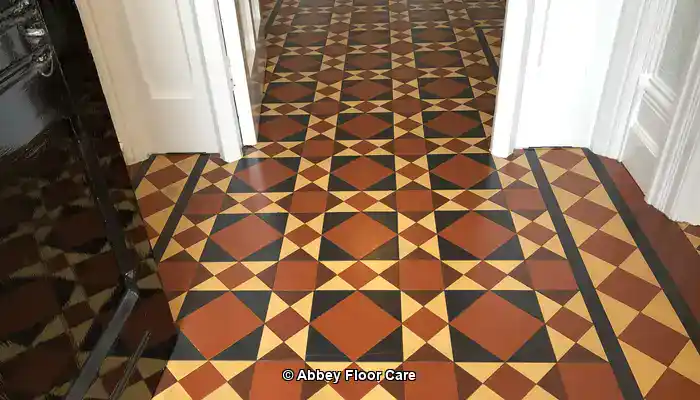
Successful preservation does not focus on achieving perfection. The most attractive historic floors typically retain signs of age while maintaining colour balance, pattern definition, and overall visual harmony that reflects their storied past.
Protective treatments that respect the natural behaviour of clay-based materials help maintain appearance without overwhelming the floor’s original character, ensuring that the beauty of the tiles endures for generations.
Why Does Colour Loss Not Always Indicate a Need for Restoration?
Colour loss does not automatically signify that restoration is necessary. Various conditions can create a similar appearance, and understanding these nuances is vital for proper care.
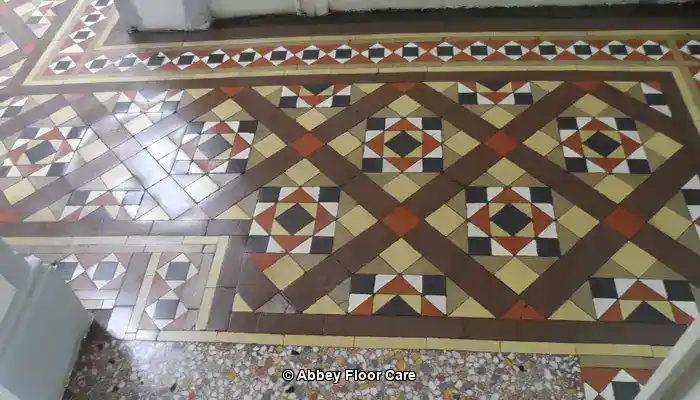
Consider the following observations when evaluating the condition of your floor:
- Check whether colour variation follows traffic routes.
- Observe if dark patches correlate with damp areas.
- Look for surface films or coating residues that might mislead your assessment.
- Compare exposed sections with protected areas to determine true colour retention.
These observations can assist in distinguishing between contamination, moisture impact, and long-term wear without hastily concluding that every change in appearance signifies serious deterioration of the tiles.
Where Can You Find Trustworthy Guidance When Victorian Tile Restoration Advice Conflicts?
Conflicting restoration advice often leads homeowners to erroneous conclusions about their Victorian tiles. Historic floors are complex materials, and oversimplified recommendations frequently overlook crucial distinctions between contamination, wear, and moisture-related changes.
Questions concerning cleaning, appearance, and preservation are best explored through comprehensive educational resources rather than isolated opinions. A beneficial starting point is this guide to cleaning Victorian tiles.
Reliable information should clarify how Victorian floors behave, why appearance changes occur, and what limitations are present, rather than focusing solely on products or quick fixes that may not address the root problems.
David Allen has worked extensively with historic Victorian and Edwardian tiled floors for many years. His focus is on understanding how traditional clay-based materials age, wear, and respond to changing environmental conditions while preserving their original character for future generations.
Understanding how Victorian tiles behave over time equips homeowners to interpret changes in appearance more accurately. Exploring specialist resources before making decisions about the care of historic floors can provide valuable context and insights.

David Allen — Abbey Floor Care
David Allen has worked with Victorian tile floors across the UK for over 30 years through Abbey Floor Care. His practical experience with material behaviour, restoration sequencing, and long-term floor care informs every article published under the Abbey Floor Care name.
Discover more Victorian tile guides and learning resources today to enhance your knowledge and skills in preserving these historic treasures.
The Article Victorian Tile Colour Loss Often Is Not Permanent first found on https://www.abbeyfloorcare.co.uk
The Article Victorian Tile Colour Loss: A Usually Reversible Issue appeared first on https://fabritec.org
The Article Victorian Tile Colour Loss: Typically Reversible Solutions Was Found On https://limitsofstrategy.com